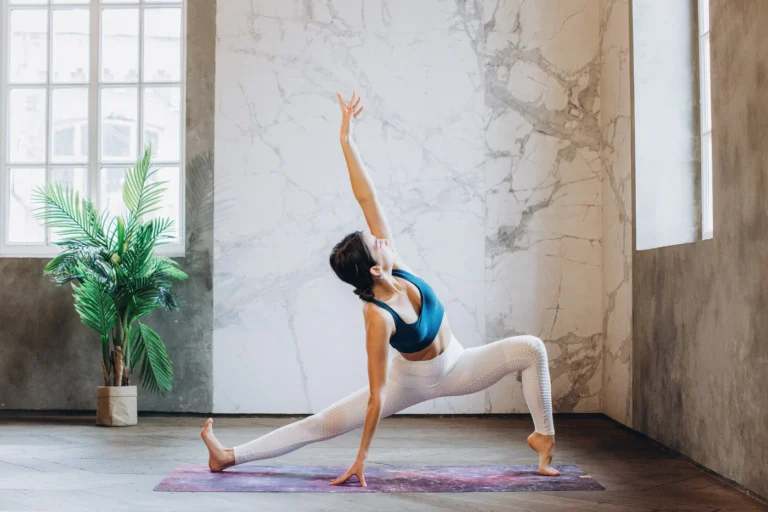
The environment in which one practises yoga influences focus, relaxation, and consistency. While discipline starts within, the external space plays an undeniable role in shaping one’s connection with stillness. In Singapore, where urban living often means compact apartments and fast-paced routines, the idea of crafting a home space that supports hatha yoga is both an art and a science.
Designing for yoga is not merely about allocating a physical area. It is about creating a sanctuary where balance, light, and energy flow naturally. When architecture and yoga philosophy align, the result is a space that promotes calmness and inner awareness every time you step onto the mat.
The Philosophy of Space in Hatha Yoga
Hatha yoga emphasises balance — between strength and flexibility, movement and stillness, effort and surrender. Architecture shares a similar intention. A well-designed space creates harmony between light, air, and human presence. When these principles intersect, the environment becomes an active participant in the yoga journey.
The Sanskrit word “sthira” means steady, while “sukha” means ease. In practice, every yoga posture must maintain both qualities. Similarly, a yoga-friendly home must provide stability and comfort. It should allow the practitioner to feel grounded yet free.
Key Elements That Reflect Yogic Principles in Architecture:
-
Simplicity: Minimal clutter allows for clear focus and mental ease.
-
Natural materials: Wood, bamboo, and stone evoke grounding energy.
-
Balance of light: Soft lighting mirrors the rhythm of sunrise or sunset.
-
Connection to nature: Plants, air flow, and earthy tones nurture calm.
By embedding these principles, architecture transforms from static design into a living energy system that complements the discipline of hatha yoga.
Choosing the Right Space at Home
Even in small apartments, a yoga corner can be created thoughtfully. The key lies in selecting a space that feels open and breathable. Avoid corners near heavy traffic areas or electronics that cause distraction.
If possible, position the space near a window for natural ventilation and sunlight. Morning light energises, while evening light creates a soothing ambience. The goal is not luxury, but alignment — a place where the mind feels safe to let go.
Tips for Selecting Your Practice Zone:
-
Choose a quiet spot with minimal visual noise.
-
Ensure enough clearance for full arm and leg extensions.
-
Keep temperature moderate and comfortable.
-
Use a natural fibre mat for better grounding.
-
Keep phones and screens out of sight to maintain mindfulness.
A thoughtfully chosen corner can eventually become a sacred retreat within daily life.
The Role of Light and Colour in Yogic Spaces
Lighting directly influences mood and focus. Bright white light may overstimulate the senses, while dim lighting can make you lethargic. The most effective setup is natural light complemented by warm, soft artificial sources for evening practice.
Colours, too, hold energetic weight. Neutral tones such as beige, cream, or soft grey create visual calm, while muted greens or blues evoke balance and openness. Avoid overly bold or harsh colours as they may distract or energise excessively.
In architectural psychology, light and colour determine how the nervous system responds to an environment. When aligned with yogic philosophy, they serve as invisible guides leading the practitioner inward.
Integrating Natural Elements for Energy Flow
Hatha yoga teaches awareness of prana, or life energy. Though you prefer not to dwell on esoteric aspects, the modern equivalent of prana can be understood as fresh air, natural light, and space quality.
Incorporating plants purifies air and softens visual lines. A small water feature or bamboo accent wall can introduce organic sound and texture. Architects designing wellness-oriented homes in Singapore often use cross-ventilation, skylights, and earthy materials to mimic nature indoors.
Even small additions like pebbled mats, woven baskets, or linen cushions can make the environment feel grounded.
Simple Additions That Enhance the Space:
-
Indoor plants such as peace lilies or snake plants
-
Wooden or cork flooring for warmth and traction
-
Essential oil diffusers with calming scents like lavender or sandalwood
-
A small altar or display shelf for candles, books, or personal symbols of inspiration
The objective is not to decorate, but to integrate — to allow every object to serve both function and serenity.
Acoustics and Sound Design in Practice Spaces
Sound carries emotional energy. A noisy environment disrupts breathing rhythm and concentration. Investing in acoustic balance helps maintain mindfulness.
If you live near busy streets or construction zones, soft furnishings such as curtains and rugs absorb noise effectively. Playing light ambient music or natural sounds like waves or rainfall can mask distractions.
In recent years, interior designers have even collaborated with sound therapists to design studios where frequencies encourage deep relaxation. This concept is now finding its way into home yoga spaces, especially among professionals seeking sanctuary from the city’s constant motion.
Technology Integration Without Distraction
Technology can be both a tool and a trap. Many practitioners today use yoga apps or online classes to stay consistent, especially when working from home. The key is moderation — technology should support mindfulness, not dominate it.
Use wireless speakers for guided sessions or background music. Avoid screens positioned directly in front of your mat. Instead, project visuals softly on a wall or use a tablet stand at the side. The purpose is to maintain eye relaxation and spatial awareness during practice.
In minimalist settings, even lighting automation systems can be useful, adjusting brightness and colour temperature to match different times of day.
Designing for Consistency and Flow
Architecture that supports hatha yoga should encourage regularity. The more effortless it feels to begin, the more consistent your practice becomes. Designers often focus on creating clear visual cues that invite movement — uncluttered pathways, visible mats, and calming textures.
Consistency is also psychological. Seeing your dedicated space daily acts as a reminder to reconnect with yourself. Even when you feel tired, the space itself motivates you to pause and breathe.
Architectural Tricks That Encourage Practice:
-
Place the yoga mat permanently in view to reduce resistance.
-
Position mirrors strategically to refine alignment without vanity.
-
Incorporate hidden storage to keep props tidy and the mind uncluttered.
-
Use indirect lighting that transitions smoothly between bright and calm settings.
A thoughtfully designed space nurtures discipline without pressure, making yoga a natural part of daily rhythm.
Sustainability and the Conscious Home
The philosophy of hatha yoga extends to sustainability. Living mindfully means making choices that respect both personal health and the environment. Selecting eco-friendly materials, reducing plastic, and using energy-efficient lighting reflect this commitment.
Many homeowners in Singapore now prefer reclaimed wood, recycled glass, and organic fabrics. These materials age gracefully and add a tactile authenticity to interiors. By choosing sustainability, you align your living space with the same mindfulness that defines your practice.
This also supports local artisans and sustainable design industries — an expanding trend that connects wellness with responsible living.
Designing Multi-Purpose Spaces for Urban Living
Not every home allows a dedicated yoga room, but flexibility is part of both yoga and architecture. Foldable furniture, sliding partitions, and convertible layouts make it easy to transform a living area into a practice zone.
For example, a corner of the living room can double as a yoga area in the morning and a reading spot at night. Modular storage keeps props and mats hidden yet accessible. This adaptability resonates with Singapore’s compact lifestyle and the hatha philosophy of balance in all things.
Emotional Resonance: Making the Space Personal
Beyond design, what gives a yoga space meaning is emotional connection. Add elements that reflect your journey — a framed quote, a travel memento, or a photograph that inspires peace. The goal is to evoke a sense of belonging and gratitude each time you practise.
Some practitioners prefer burning incense or lighting candles before sessions. Others keep a journal nearby to note thoughts after meditation. These small rituals personalise the environment, turning it from functional to sacred.
The Influence of Studios Like Yoga Edition
Practising regularly at Yoga Edition can serve as inspiration for designing your home space. Observing how studios use proportion, light, and materials can help you replicate similar balance at home.
Many practitioners who attend classes find that even subtle details — like scent, sound, or colour temperature — influence focus. Translating those elements into personal design choices ensures continuity between studio and home practice.
The Lasting Connection Between Space and Mind
When architecture supports awareness, the home becomes more than shelter. It becomes a mirror of the inner self. Over time, stepping into your yoga space will naturally quiet the mind, even before the first pose.
The deeper lesson of hatha yoga is presence. By designing a space that honours stillness and simplicity, you reinforce that lesson daily. In doing so, your environment becomes a partner in personal transformation.
Frequently Asked Questions
Q1. How much space do I need for home hatha yoga practice?
A minimum area that allows full body extension is enough. About two by two metres is ideal, but layout efficiency matters more than size.
Q2. Can I create a yoga space in a small apartment?
Yes. Use multi-functional furniture, foldable props, and vertical storage. Even a small corner can feel expansive with thoughtful design.
Q3. Should I use mirrors in my practice area?
Mirrors can help refine alignment but should not dominate. Position them at eye level and away from direct sunlight to avoid glare.
Q4. What colours work best for a calm yoga environment?
Soft neutrals, light wood tones, and gentle greens or blues create tranquillity. Avoid high-saturation colours that overstimulate the mind.
Q5. How can I keep my yoga space eco-friendly?
Choose natural materials like cork mats, wooden blocks, and organic fabrics. Minimise plastic accessories and invest in long-lasting, sustainable products.