

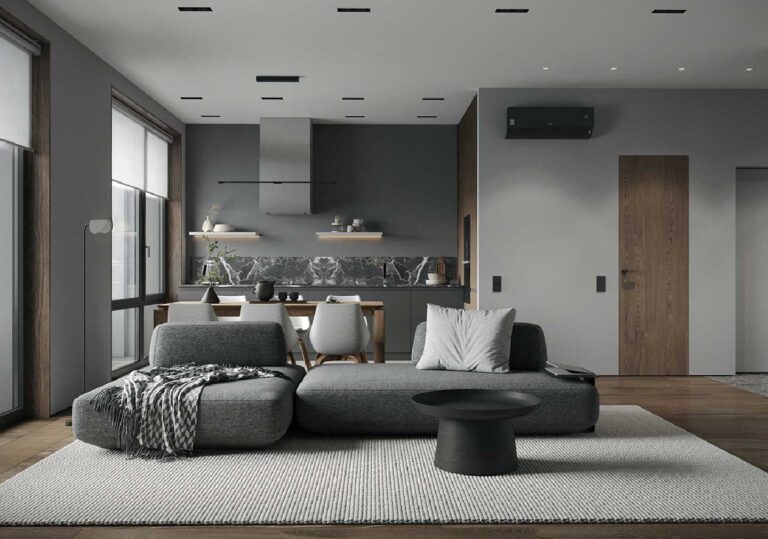
Interior design is an art form that involves more than just arranging furniture and choosing colors—it is about creating environments that blend style with functionality. The goal is to enhance the quality of life and culture of the occupants by improving the aesthetic appeal and usability of the space. Whether you’re designing a home, office, or commercial space, understanding the principles of interior design, selecting the right materials, and incorporating the latest trends is crucial to creating a harmonious and functional environment. This comprehensive guide explores the critical elements of interior design, from foundational principles to innovative trends shaping modern spaces.
The Principles of Interior Design
At the core of successful interior design lie several key principles that guide the creation of well-balanced and aesthetically pleasing spaces. These principles help designers achieve harmony, cohesion, and functionality in their designs.
1. Balance: Creating Visual Stability
Balance in interior design refers to the distribution of visual weight in a space. It ensures that no area of the room feels too heavy or empty, creating a sense of equilibrium. There are three primary types of balance used in interior design:
- Symmetrical Balance: This is when elements are evenly distributed around a central point. It’s often used in formal designs and works well in spaces like living rooms or entryways where structure is desired.
- Asymmetrical Balance: This type of balance uses different objects that are of equal visual weight to create a more dynamic and informal feel. It works well in modern and eclectic interiors.
- Radial Balance: In this arrangement, elements are arranged around a central point. This type of balance can be seen in designs like circular dining tables or spiral staircases.
2. Proportion and Scale: The Right Size and Fit
Proportion and scale are essential to creating a sense of harmony within a space. Proportion refers to the relationship between the size of elements within the room, while scale refers to how the size of an object relates to the room itself.
- Proportion: Ensuring that the size of furniture and decor fits the scale of the room is critical. For example, placing a large sectional sofa in a small living room can overwhelm the space, while too small furniture may make the room feel sparse.
- Scale: This refers to the relative size of an object in comparison to other objects or the room. Large furniture in a small room can make the space feel cramped, while appropriately sized pieces will allow for better flow and functionality.
3. Rhythm: Creating a Flow
Rhythm in interior design is the visual movement that occurs as the eye moves from one element to another. Rhythm is created by repeating colors, patterns, shapes, or textures throughout the space.
- Repetition: Using similar patterns or colors in different parts of a room can create a sense of flow and unity.
- Progression: Gradually changing sizes, colors, or shapes, such as transitioning from light to dark tones, helps guide the eye through the space.
- Transition: Smooth transitions, like curved furniture or soft edges, create a gentle flow from one area to another, providing visual interest and comfort.
4. Harmony: A Unified Design
Harmony in interior design means creating a unified and cohesive environment where all the elements work together. It is achieved by using complementary colors, shapes, and materials that support the overall design theme.
- Color Harmony: Using colors that complement each other (for example, warm tones with cool tones) or staying within a certain color palette creates visual cohesion in the space.
- Material Harmony: Blending different textures—such as wood, metal, and fabric—can provide contrast while maintaining a sense of unity if done correctly.
5. Emphasis: Focal Points of the Space
Every space benefits from a focal point—something that draws the eye and anchors the design. Focal points create visual interest and ensure that the room doesn’t feel too busy or overwhelming.
- Creating a Focal Point: Common focal points include fireplaces, artwork, large windows, or a statement piece of furniture. The design elements surrounding the focal point should complement it without competing for attention.
Essential Elements of Interior Design
The success of an interior design project is influenced by the careful selection and integration of various elements that make up the space. These elements work together to create a functional and visually pleasing environment.
1. Furniture: Functionality and Style
Furniture is one of the most significant elements of interior design. The right pieces not only enhance the style of a room but also ensure comfort and functionality.
- Comfort: The choice of furniture should prioritize comfort, especially in spaces like the living room or bedroom. Upholstered furniture, such as sofas and armchairs, should be both stylish and comfortable for everyday use.
- Functionality: In smaller spaces, multifunctional furniture is a must. For instance, a sofa that converts into a bed or a dining table with storage can maximize the utility of the room without overcrowding.
- Aesthetic Appeal: Furniture should reflect the style of the room, whether it’s mid-century modern, rustic, or minimalist. Each piece should align with the color scheme, materials, and design principles of the space.
2. Color: Setting the Mood
Color is one of the most powerful tools in interior design. It sets the tone of the space and affects the mood and emotions of the people in it. Different colors evoke different feelings and should be chosen carefully based on the intended atmosphere.
- Warm Colors: Red, orange, and yellow evoke energy, warmth, and intimacy. These colors are ideal for living rooms and dining areas.
- Cool Colors: Blue, green, and purple create a calm and relaxing atmosphere, making them perfect for bedrooms and bathrooms.
- Neutral Colors: Shades of white, gray, beige, and taupe provide a versatile base for any design style and allow other elements to stand out.
3. Lighting: Enhancing Ambiance and Function
Lighting is crucial in interior design, both for its aesthetic appeal and its functional purposes. The right lighting enhances the overall design of the space, creates mood, and makes the room feel welcoming.
- Ambient Lighting: This is the general lighting that illuminates the entire room. Ceiling lights, chandeliers, and recessed lighting are common examples.
- Task Lighting: Used for specific tasks, task lighting is more focused and includes desk lamps, kitchen task lights, and reading lights.
- Accent Lighting: Accent lights highlight features like artwork, sculptures, or architectural details. Spotlights and track lighting are commonly used for this purpose.
4. Texture and Materials: Adding Depth
Texture and materials are important in creating a tactile experience and depth in a room. The combination of soft and hard textures adds richness to the design, making the space feel more dynamic.
- Soft Textures: Fabrics such as velvet, cotton, and wool used in upholstery, rugs, and cushions provide a sense of warmth and comfort.
- Hard Textures: Materials like wood, metal, glass, and stone add structure, sophistication, and a sense of permanence to the space.
5. Accessories: The Final Touches
Accessories are the finishing touches that complete the design. While they may seem small, they can make a significant impact on the overall feel of the space.
- Artwork and Mirrors: These can serve as focal points or decorative elements, reflecting light and adding personality to the room.
- Rugs and Throw Pillows: Soft furnishings such as rugs and cushions add comfort and texture while enhancing the color palette.
- Plants: Indoor plants add a touch of nature, improving air quality and providing a refreshing pop of color.
Trends in Interior Design
As interior design evolves, new trends emerge that reflect changes in technology, culture, and personal preferences. Some current trends shaping the interior design landscape include:
1. Sustainable Design
Sustainability is at the forefront of interior design, with a focus on using eco-friendly materials, energy-efficient lighting, and sustainable furniture. Incorporating renewable resources, such as bamboo or reclaimed wood, and reducing waste are important aspects of creating a sustainable home.
2. Minimalism
Minimalism continues to be a dominant trend in interior design, emphasizing clean lines, uncluttered spaces, and functional furniture. This design approach favors simplicity and efficiency, with a focus on quality rather than quantity.
3. Biophilic Design
Biophilic design incorporates natural elements into indoor spaces to create a stronger connection to nature. This can include the use of natural materials, large windows for natural light, and incorporating indoor plants to improve air quality and enhance well-being.
4. Smart Homes
Technology is becoming increasingly integrated into home design, with smart lighting, temperature control, and security systems becoming common features. Home automation allows for enhanced comfort, convenience, and energy efficiency.
Frequently Asked Questions
What are the key elements of a successful interior design?
The key elements of successful interior design include balance, proportion, rhythm, harmony, and emphasis. Each element contributes to the overall cohesion, functionality, and aesthetic appeal of the space.
How do I choose the right color for my home?
Consider the mood you want to create in each room. Use warm colors for energy and intimacy, cool colors for calmness, and neutral tones for versatility. Test colors in different lighting conditions to see how they will look in your space.
How do I make my small space feel larger?
In smaller spaces, use light colors to create the illusion of openness, incorporate multifunctional furniture, and add mirrors to reflect light and create depth. Keep the space uncluttered to maintain a sense of openness.
What are some eco-friendly materials for interior design?
Eco-friendly materials include bamboo, reclaimed wood, cork, and recycled glass. These materials are sustainable, durable, and provide a natural aesthetic for interior design projects.
How do I incorporate technology into my interior design?
Smart technology, such as voice-activated lighting, smart thermostats, and automated security systems, can be integrated into the design to enhance convenience and energy efficiency without compromising the aesthetic of the space.