

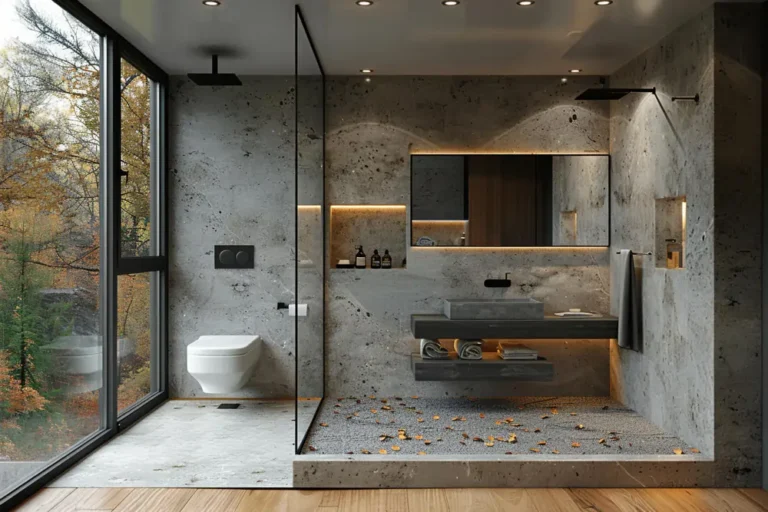
The bathroom is no longer just a utilitarian space—it has evolved into a sanctuary where personal comfort, style, and function converge. As the design world continues to innovate, the bathroom remains a focal point of home renovation, with a growing emphasis on aesthetics, sustainability, and smart functionality. In this comprehensive guide, we explore the modern bathroom in-depth, highlighting key design trends, essential elements, and innovations that are transforming this essential space.
The Evolution of Bathroom Design: From Basic Functionality to Luxurious Escapes
Historically, bathrooms were simple spaces focused on basic hygiene. Over time, however, the evolution of plumbing systems, materials, and architectural design has transformed the bathroom into a multifaceted room that serves as both a place of utility and relaxation.
Early Bathrooms: Practicality Over Luxury
In ancient civilizations, bathing was often a communal or ritualistic activity, primarily carried out in public bathhouses. With the development of modern plumbing in the 19th century, private bathrooms became a standard feature in many homes. Early bathroom designs were straightforward, with functional elements like bathtubs, sinks, and rudimentary toilets.
The 20th Century: Rise of Comfort and Design
By the mid-20th century, bathrooms began to reflect more than just functionality. The addition of tiled floors, better lighting, and the expansion of bathroom fixtures began to make bathrooms more comfortable and aesthetically pleasing. The concept of the “master bath” emerged, turning the bathroom into a more private, luxurious space.
Today: A Blend of Functionality, Luxury, and Technology
Modern bathrooms are an amalgamation of form and function. With high-end fixtures, advanced materials, and cutting-edge technology, the bathroom has become a personal retreat, where comfort, relaxation, and convenience come together. From spa-like features to eco-friendly innovations, the modern bathroom caters to a variety of needs, ensuring that every user enjoys both luxury and practicality.
Key Elements of Modern Bathroom Design
Creating a bathroom that is both functional and stylish requires careful attention to several key elements. Each component of the bathroom—from the layout to the fixtures—should be thoughtfully selected to enhance both utility and visual appeal.
Layout and Space Planning: Maximizing Functionality
The layout of a bathroom directly impacts its functionality. A well-planned space ensures that there is adequate room for all essential fixtures, as well as sufficient storage.
- Optimal Zoning: The layout should prioritize the arrangement of essential fixtures such as the sink, toilet, and shower or bathtub. These elements should be strategically placed to maximize space and minimize congestion.
- Open Concept vs. Enclosed Spaces: Modern bathrooms often embrace open-plan layouts, where elements like the shower and bathtub blend seamlessly with the rest of the room. However, for those seeking privacy, enclosed shower cubicles or separate toilet rooms may still be preferred.
- Storage Solutions: Clever storage options, such as floating vanities, built-in shelves, and hidden cabinets, help to keep the space organized and clutter-free.
Fixtures and Fittings: Combining Design and Function
The fixtures in a bathroom serve both practical and aesthetic purposes. Selecting the right pieces ensures that the bathroom is not only functional but also aligned with the overall design theme.
- Bathtubs: From freestanding tubs to modern whirlpool or soaking bathtubs, the choice of tub can serve as the centerpiece of the bathroom. Freestanding tubs, for instance, add an element of luxury, while whirlpool tubs offer relaxation benefits.
- Showers: Walk-in showers with frameless glass enclosures are popular in modern bathrooms. Rainfall showerheads and multi-function shower systems allow for a spa-like experience at home.
- Toilets: Advanced toilets are now equipped with features like heated seats, bidets, and automatic flushing. These innovations improve hygiene and comfort.
- Sinks and Vanities: A variety of sink styles—such as vessel sinks, undermount sinks, or wall-mounted options—allow homeowners to personalize their bathroom. Paired with sleek vanities, these fixtures offer both style and storage.
- Mirrors and Lighting: Well-lit mirrors are crucial in the bathroom for grooming tasks. The latest trend in bathroom lighting emphasizes energy efficiency, with LED strips and motion-sensor lighting becoming common choices. The use of mirrors that double as light sources enhances the room’s overall ambiance.
Materials: Aesthetic Appeal and Durability
Selecting the right materials for the bathroom is critical in achieving a balanced design that is both beautiful and durable. The bathroom is exposed to moisture, so materials must be chosen for their resistance to water, stains, and mildew.
- Tiles: Ceramic, porcelain, and natural stone tiles remain popular for bathroom floors and walls. These materials are not only waterproof but also available in a variety of textures, colors, and patterns, making them ideal for creating visually striking designs.
- Natural Stone: Marble, granite, and travertine are luxurious materials that add elegance to bathroom surfaces. While beautiful, natural stone requires proper sealing to prevent damage from moisture and cleaning chemicals.
- Wood and Composite Materials: For a more organic feel, wood accents can be used in modern bathroom design. Waterproof engineered wood and composite materials offer the warmth of natural wood without compromising durability.
Sustainable and Eco-Friendly Bathroom Design
Sustainability has become a critical consideration in modern bathroom design. From water-saving fixtures to eco-friendly materials, there are numerous ways to reduce a bathroom’s environmental footprint.
Water-Efficient Fixtures
Water conservation is essential in bathroom design, as this is one of the highest-water-using areas in a home. Installing low-flow toilets, faucets, and showerheads helps reduce water consumption without sacrificing performance.
- Low-Flow Toilets: Modern low-flow toilets use significantly less water per flush while maintaining performance, helping to reduce both water and energy consumption.
- Water-Saving Showerheads: Showerheads with flow restrictors reduce water usage while providing a satisfying shower experience.
Energy-Efficient Lighting
LED lights are the go-to choice for bathrooms due to their energy efficiency and long lifespan. These lights can illuminate spaces without the high energy costs associated with traditional incandescent bulbs.
Sustainable Materials
Many homeowners now opt for materials that are renewable or recyclable, such as bamboo, reclaimed wood, and recycled glass tiles. These materials are both eco-friendly and stylish, adding a unique touch to the bathroom design.
Technological Innovations in Bathroom Design
Technology is rapidly transforming the way we experience our bathrooms. Smart technologies are making bathrooms more efficient, convenient, and personalized.
Smart Showers and Toilets
The introduction of smart showers and toilets has revolutionized the bathroom experience. These systems allow users to control water temperature, pressure, and even the lighting through smartphone apps or voice assistants.
- Smart Toilets: Features such as heated seats, automatic lids, self-cleaning functions, and bidet functionalities add convenience and comfort to bathroom visits.
- Smart Showers: With temperature and water flow controls, smart showers allow for personalized settings, ensuring a perfect shower every time.
Mirror Technology
Mirrors are evolving with the introduction of smart mirrors that come with integrated lighting, defogging features, and even touch-screen capabilities. These mirrors can provide weather updates, news, and even control other smart devices within the bathroom.
Voice-Controlled Features
Voice assistants like Alexa and Google Assistant are increasingly being integrated into bathroom designs. These devices can control lighting, adjust shower settings, and even play music, making the bathroom experience more enjoyable and hands-free.
The Future of Bathroom Design: Innovations and Trends
The bathroom of the future will be increasingly integrated with technology and designed with sustainability in mind. Key trends to watch include:
- Biophilic Design: Incorporating natural elements such as plants and water features into the bathroom to create a calming, nature-inspired environment.
- Minimalist Design: Streamlined, clutter-free spaces focused on clean lines and simplicity will continue to dominate bathroom aesthetics.
- Advanced Materials: Innovations in materials, such as self-cleaning surfaces, will make maintaining a pristine bathroom easier than ever before.
Frequently Asked Questions
How can I create a spa-like atmosphere in my bathroom?
To create a spa-like atmosphere, focus on soft lighting, luxurious materials like marble or wood, and calming colors. A freestanding tub, a rainfall showerhead, and plush towels can also help enhance the experience.
What are some space-saving tips for small bathrooms?
In small bathrooms, opt for space-saving fixtures like wall-mounted toilets and sinks, as well as glass shower enclosures to create a sense of openness. Smart storage solutions like built-in shelving and corner units can help maximize space.
How can I make my bathroom more eco-friendly?
Use water-efficient fixtures, energy-saving lighting, and sustainable materials like bamboo and recycled glass. Installing low-flow toilets, water-saving faucets, and LED lights can significantly reduce the environmental impact of your bathroom.
What are the latest trends in bathroom technology?
Smart showers, voice-controlled devices, and mirrors with integrated features are becoming increasingly popular in bathroom design. These technologies enhance convenience and personalize the bathroom experience.
What materials are best for bathroom flooring?
Porcelain and ceramic tiles are excellent choices due to their water resistance and durability. Natural stone, such as marble or granite, adds luxury, while vinyl and engineered wood can offer stylish and budget-friendly alternatives.