Archive

November 2025

Browsing

Understanding Your Moving Needs: The First Step to a Smooth Transition

Establishing Your Timeline: How Much Time Do You Really Need?

When setting out on the significant journey of relocating from Washington DC to New York City, one of the most critical steps involves establishing a well-planned timeline. Understanding how much time you need for each aspect of the move can significantly ease the burden of this multifaceted process. The general recommendation is to start planning at least two months in advance of your desired moving date. This timeline gives you ample opportunity to not just find a moving company but to also consider essential tasks such as decluttering your home, sorting through belongings, and organizing logistics.

A crucial first step is to create a countdown calendar delineating deadlines for each key task. For instance, if you’re moving at the end of the month, aim to have your home packed and organized by the 20th of the month. If you’re looking to reduce your inventory, set a goal for a specific decluttering session, ideally around the sixth week before your move. This allows for revisiting items, reevaluating their importance, and deciding whether to sell, donate, or dispose of them. Furthermore, it’s important to factor in time to handle any unexpected delays or issues, such as securing a parking permit if you’re moving to an apartment complex in NYC, or if your moving company needs time to assess the volume and weight of your belongings for an accurate estimate.

What to Consider When Evaluating Your Inventory: The Art of Decluttering

Decluttering before a big move might sometimes feel overwhelming, but it presents an opportune chance to evaluate your belongings critically. Start by categorizing items into the ‘keep’, ‘donate’, ‘sell’, and ‘throw away’ piles. Utilize the traditional “one-year rule”: if you haven’t used an item in over a year, consider if it holds enough value for your new living situation in NYC. Be strategic; you could hold a garage sale or use online marketplaces to sell high-value items that no longer serve a purpose in your life. This process not only reduces the volume of items you need to pack but also helps earn extra cash for your move.

It’s also an excellent moment to reconsider your furniture selections. Do your current pieces fit the aesthetic of what you envision for your new space? Will they physically fit into the often smaller apartments available in New York City? Donating or selling older furniture may free up funds to purchase new pieces that are more aligned with your goals. Moreover, you might discover some items can be consolidated or safely stored, which would save you from unnecessary packing.

Budgeting for Your Move: Hidden Costs and How to Prepare for Them

Budgeting for a move from Washington DC to NYC can be tricky — there’s more to it than just the price quoted by your moving company. Hidden costs can arise quickly, so understanding and anticipating these expenses is paramount. Start with obtaining at least three quotes from different moving companies which ideally include an in-home estimate, as this tends to yield more accurate prices. Review each quote diligently, noting the various included services and potential extra fees for specialty items (like pianos or large furniture) or added services (like packing and unpacking).

In addition, allowances should be made for packing materials, which can include boxes, tape, and protective wrapping. While many moving companies offer packing services, doing it yourself may provide considerable savings. However, be sure to factor in the cost of necessary supplies when going the DIY route. Set aside a portion of your budget for restaurant meals during the moving day itself, as well as potential lodging if your move necessitates overnight travel. Lastly, be aware of potential deposits that must be made, especially for rental properties in New York City where first, last, and security deposits can accumulate. Preparing a detailed budget can help minimize stress and surprises on moving day.

The Essentials of Selecting a Moving Company: What Sets the Best Apart

Reputation and Experience: Why Trust Matters in Relocation

Selecting a Washington DC to NYC moving company you can trust is an essential element for any successful relocation. Conducting thorough research on potential movers is vital; start by checking online reviews and industry ratings on platforms such as the Better Business Bureau or Yelp. A reliable company typically has accumulated positive customer feedback that can provide insights into their reliability and professionalism. Seek out companies that have been in business for a significant duration, as experience often equates to expertise in handling complex relocations.

Another key point is to ensure that the moving company you choose is fully licensed and insured. Check that they have a Department of Transportation (DOT) number and that they comply with the regulations set by the American Moving & Storage Association. Inquire about their experience specifically handling moves from Washington DC to NYC – this knowledge can prove vital since urban relocations come with distinct challenges such as navigating city traffic and complex building regulations. By prioritizing reputable, experienced movers, you can enhance your confidence that your belongings will be handled with professionalism and care.

Services Offered: Beyond Just Transportation – The Value of Comprehensive Options

Not all moving companies provide the same level of service; thus, evaluating what services are offered is pivotal. While transportation is the core service, consider additional offerings such as packing and unpacking, storage solutions, and handling specialty items. Many people undervalue the time and labor involved in packing efficiently, and utilizing a company’s packing services can save you significant time and energy during a potentially hectic period. Moreover, reputable movers can offer quality packing supplies, ensuring your items are well-protected during transit.

Additionally, consider whether the company offers any added relocation support, such as assisting with disassembly and reassembly of furniture or providing a concierge service to help you settle into your new neighborhood. A moving company that is flexible and willing to customize their services based on your unique needs can make all the difference in achieving a seamless transition. Ultimately, when comparing various moving companies, the broader the service spectrum they provide, the more value you can derive from your choice.

Customer Reviews and Testimonials: Reading Between the Lines

Customer reviews and testimonials are often the most authentic indicators of a moving company’s performance. While positive ratings are encouraging, dig deeper into both good and bad reviews to get a comprehensive picture. Look for patterns that may indicate recurring issues, such as consistent reports of lateness, damage to belongings, or a lack of effective communication. Conversely, glowing reviews should be analyzed for context — how the company handled challenges or accommodated last-minute changes can provide insights into their customer service philosophy.

One effective approach is to seek testimonials from individuals with similar moves, particularly those relocating to New York City. They can provide context surrounding their specific experiences, which will assist you in evaluating whether a company is a good fit for your moving needs. Finally, don’t hesitate to ask your chosen moving company for references; reputable businesses should be more than willing to share past experiences and provide confirmation of their reliability and responsiveness.

Preparing for the Big Day: Strategies for an Efficient Move

Creating a Realistic Packing Schedule: Don’t Leave It to the Last Minute

One of the most critical strategies for a successful move is establishing a fixed packing schedule that keeps you organized and on track. Begin by creating a checklist that includes all your belongings, with clear deadlines for when each category needs to be packed. Assign yourself specific days for tackling designated rooms or areas of your home, keeping in mind that packing often takes longer than anticipated. Setting a timeline will not only consolidate your resources but also help mitigate stress leading up to a moving day.

Consider a strategic approach by starting with non-essential items that you may not need during the weeks leading up to the move, such as out-of-season clothing or rarely used kitchen appliances. As your moving date approaches, gradually shift focus towards more frequently used items. Avoid procrastination by holding yourself accountable; try to arrange for family or friends to assist you during peak packing days or utilize moving apps that create customized schedules to ensure you remain focused. By adhering to a realistic packing schedule, you create a smoother, more manageable transition to your new home.

Must-Have Moving Supplies: Packing Like a Pro

Having the right packing supplies is essential for successful moving to ensure the safety and integrity of your belongings. Start with a variety of boxes in different sizes, as well as bubble wrap, packing paper, and tape. Strong materials are vital for packaging fragile items and keeping everything secure during transit. Additionally, don’t forget about the importance of sturdy markers — labeling boxes can significantly reduce the unpacking time later. Be specific in labeling and include which room the box should go in for both clarity and efficiency.

Consider purchasing or renting dollies and hand trucks for large or bulky items, as they can prevent injury and allow for smoother transport on moving day. Remember to also have a first-night box packed separately that contains essentials such as toiletries, a change of clothes, basic cooking utensils, snacks, and important documents. Having this box readily available can eliminate stress when you arrive at your new place, allowing you to focus on settling in rather than searching through dozens of boxes. With these moving supplies, you’ll be well-prepared for a professional-quality move.

Engaging Professional Help: When to Leave it to the Experts

While some individuals are perfectly capable of managing their own moves, there are situations when enlisting professional help becomes indispensable. Consider the complexity of your move and the value of your belongings — if you have expensive artwork, fragile items, or large furniture, it may be wise to hire professionals who can manage these items with care. Additionally, if you’re moving during peak seasons (such as summer months) when companies are busy, professional services can help prevent logistical issues and ensure timely transport of your belongings.

If you find yourself short on time or stressed by the process, hiring professionals can yield significant advantages. Not only can they efficiently pack and transport your items, but experienced movers can navigate the regulations and nuances of city living, such as parking permits and building access requirements. Ultimately, they will save you from potential physical strain and ensure a smooth moving experience tailored to your needs.

After the Move: Settling in for Success in NYC

Unpacking with Purpose: Making Your New Space Feel Like Home

Once the move is complete, the next phase is unpacking — a task that can feel overwhelming yet holds the potential to lay the foundation for your new life in NYC. Rather than merely pulling everything out of boxes, approach this process with intention. Start by unpacking essential items first and focus on creating functional living spaces. Prioritize areas such as the kitchen and bedroom, where immediate organization will greatly improve your overall comfort. Embrace the opportunity to reassess your arrangement of furniture and décor; consider how your new space can best serve your lifestyle and aesthetic preferences.

Discovering how to make a new space feel like home can be an enjoyable endeavor. Consider incorporating personal touches such as art, photographs, or plants, which can contribute to a sense of belonging and warmth. Additionally, plan to take your time unpacking; it’s perfectly acceptable to live with boxes for a few days while you settle in and clearly define how you want each area to function. By unpacking with purpose, you establish familiarity and turn your new residence into a true sanctuary.

Navigating New Neighborhoods: Tips for Exploring Your Surroundings

Once you have settled in, the excitement of exploring your new neighborhood awaits. Each neighborhood in NYC offers a unique blend of culture, amenities, and experiences, so take the opportunity to walk around and discover your surroundings. Create a list of local spots like grocery stores, coffee shops, restaurants, and parks that can quickly become your go-to places. Use maps or local apps to explore nearby attractions, and consider joining local groups or community boards to learn about events, meetups, or hidden gems.

Consider engaging in neighborhood events or activities — whether that’s attending farmers’ markets, open mic nights, or art exhibitions. This not only serves as a great way to get to know your area but also helps establish connections with fellow residents. Whether you’re attending fitness classes or joining book clubs, actively engaging with your community may lead to meaningful relationships that make your transition feel more comfortable and enjoyable.

Connecting with Local Services: Building Your New Support Network

Finally, one key element in establishing yourself in New York City lies in forging connections with local services that can support your new lifestyle. From finding healthcare providers, fitness classes, and educational institutions to discovering pet services or local libraries, creating a network of trusted resources can enhance your day-to-day experience. Start by researching online reviews and reaching out to local resources to schedule appointments or tours.

Moreover, consider utilizing social media platforms or neighborhood apps to seek recommendations from fellow newcomers and residents. Engaging with these communities will allow you to gain insights into reliable service providers and local conveniences, ensuring you feel supported as you navigate your new city. Building these connections will not only enrich your immediate experience but also foster a sense of belonging and security in your new environment.

FAQ

Question: How do I choose the best moving date for my move from DC to NYC? – It’s ideal to avoid weekends and holidays, as they can lead to higher costs and limited availability. Mid-month dates often provide better flexibility and lower prices.

Question: What should I do if my moving company arrives late on moving day? – First, stay calm and contact the moving company to get an update. Review your contract for any guaranteed timeframes and ask about compensation if they exceed their estimated timeline.

Question: Are there specific neighborhoods in NYC that are recommended for newcomers? – It depends on your lifestyle preferences. Neighborhoods like Astoria, Williamsburg, and the Financial District each offer unique amenities and community vibes. Researching each area will help align with your personal needs.

Question: What items should I keep with me during the move instead of packing them? – Keep essential items such as passports, medication, jewelry, valuable documents, and a change of clothes with you to prevent loss or damage.

Question: How can I safely transport my pets during the move to NYC? – Ensure your pets are comfortable in secure carriers and consider setting aside a quiet space for them during the moving process. Familiarize them with your new home gradually to ease their transition.

Question: What are some common mistakes to avoid when hiring a moving company? – Avoid hiring a company solely based on a low price; always check their licensing and insurance. Furthermore, don’t skip reading reviews and asking for references.

Question: How can I reduce stress during the moving process? – Plan ahead, create checklists, and don’t hesitate to ask for help from friends or family. Professional movers can also alleviate much of the burden if you can budget for help.

Question: What are the best resources for finding local service providers in NYC? – Websites like Yelp, Angie’s List, and local community groups on social media are effective for finding reputable local services. Don’t forget to seek recommendations from neighbors as well.

Useful Resources

In Singapore’s fast paced and digitally connected lifestyle, many people now blend different types of training to stay consistent throughout the week. Home workouts offer convenience while gyms provide structure, equipment variety and professional grade training. This mix is quickly becoming the preferred approach for many fitness minded residents. A gym membership singapore plays a central role in making this hybrid routine effective because it gives access to equipment and spaces that home environments cannot provide, while home workouts offer flexibility when time is tight.

Singapore’s compact urban living, long working hours and unpredictable weather make the balance between home and gym training especially relevant. Instead of choosing one over the other, many people find that combining both helps maintain long term consistency, improves results and supports sustainable lifestyle habits.

Why Hybrid Fitness Is Growing in Singapore

Hybrid fitness simply means combining at home routines with regular visits to the gym. Singapore residents adopted this approach strongly after realising that long term consistency is easier when they have multiple training options available.

Several lifestyle factors contribute to this trend:

  • Limited free time on weekdays

  • Desire for flexibility

  • Smaller living spaces with limited room for equipment

  • The need for comprehensive equipment occasionally

  • The convenience of training without commuting on busy days

  • Increased awareness of preventive health

This balance ensures that no matter how busy or unpredictable the week becomes, training can continue in some form.

The Strengths of Home Workouts

Home workouts are popular for good reason. They remove barriers and make training possible even on the most demanding days. For many people, home workouts help maintain momentum between more structured gym sessions.

The key benefits include:

  • Zero commute time

  • Ability to train at any hour

  • Quick sessions possible between tasks

  • No waiting for machines

  • Ability to focus on mobility, stretching or light routines

  • A low pressure environment for beginners

Home workouts are ideal for days when motivation is lower, time is limited or energy levels do not support a full gym session.

The Limitations of Training at Home

At the same time, home workouts have clear limitations that can affect long term progress. These limitations become more noticeable as someone improves in strength, endurance or training variety.

Limitations often include:

  • Lack of heavy weights

  • Limited cardio equipment

  • No access to machines that support joint stability

  • Minimal space for complex movement

  • Difficulty maintaining progressive overload

  • Distractions from home and family

This is where gym training becomes essential for continued growth.

Why Gym Training Complements Home Workouts

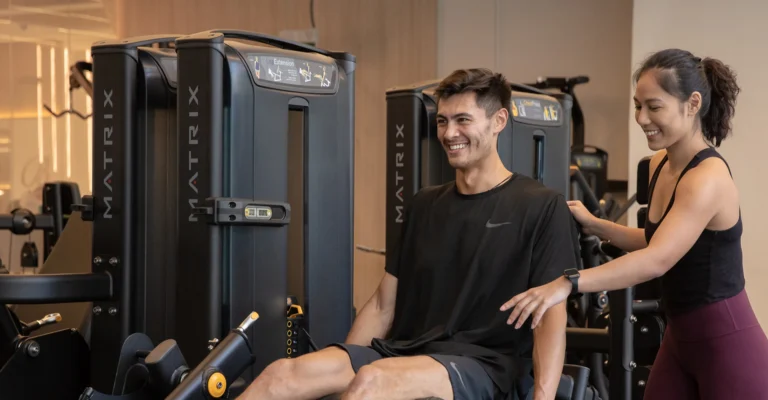
Gyms provide structure, equipment variety and space that home environments cannot replicate. A membership allows individuals to focus on high quality training sessions that require proper equipment and dedicated environments.

Gyms provide:

  • Barbells, dumbbells and kettlebells

  • Strength machines that target specific muscles safely

  • Treadmills, rowers and bikes for structured cardio

  • Space for circuit training

  • Professional grade flooring

  • A distraction free atmosphere

Each of these tools helps individuals progress in ways that home routines alone cannot support.

Creating a Sustainable Hybrid Routine

Balancing home and gym workouts requires intentional planning. It is not about randomly switching between the two but using each environment strategically.

A simple hybrid weekly structure might look like:

  • Gym days
    Strength training, heavy weights, endurance cardio, machines

  • Home days
    Mobility, stretching, core training, light strength, recovery sessions

This balance helps maintain consistency, protect joints and reduce burnout.

The Role of Habit Anchors in Singapore’s Urban Lifestyle

Habit building is essential for long term fitness success. Many Singapore residents face challenges maintaining routines due to irregular schedules, long commutes and digital distractions.

A gym membership acts as a habit anchor:

  • The location creates a mental association

  • The environment signals time for health

  • The structured atmosphere supports discipline

  • The routine helps people stay accountable

Home workouts then act as secondary habits, filling in gaps on days when going out is less practical.

Combining the Strengths of Both Environments

When used together, home and gym workouts become a powerful fitness approach. Each environment supports the other, creating a well rounded routine that is both flexible and structured.

Gym advantages:

  • Progressive overload

  • Full equipment access

  • Guided environment

  • Higher intensity possible

Home advantages:

  • Quick sessions on busy days

  • Lower energy barrier

  • Zero travel

  • Flexibility

Together, they provide a complete approach that fits modern Singapore lifestyles.

Supporting Mental and Emotional Health

A hybrid routine also supports mental balance. Training at home offers comfort and quietness, while the gym provides stimulation and structure.

Some people feel mentally refreshed at the gym because:

  • It removes them from work or home stress

  • The atmosphere boosts motivation

  • It offers social energy

Others enjoy home workouts because:

  • They offer privacy

  • They allow slower paced routines

  • They help with stress release

Balancing both creates emotional flexibility and reduces training fatigue.

Budget, Value and Long Term Planning

Many Singapore residents consider the financial aspect of fitness. A balanced hybrid routine offers great value. Home workouts cost little to nothing, while gym sessions provide the equipment necessary for serious progression.

Over time, this combination is cost efficient because:

  • Home workouts delay the need for additional memberships

  • Gym sessions prevent injury by providing proper equipment

  • Long term health improves, reducing medical expenses

This makes hybrid training highly sustainable.

Managing Space Limitations in Singapore Homes

Space is a major consideration in many HDB flats and condominiums. Home workouts must be adapted to fit within limited areas. Simple tools like resistance bands, yoga mats and light dumbbells work well. The heavier or more complex equipment is then used in the gym.

This ensures that space limitations never stop someone from training consistently.

Why Singapore’s Climate Supports Hybrid Training

Singapore’s humidity, heat and rain often make outdoor workouts inconsistent. Having both a home setup and a gym membership ensures that weather conditions never affect someone’s training.

For example:

  • On hot afternoons, gym sessions offer comfort

  • On rainy evenings, home workouts offer convenience

  • On busy days, home training keeps momentum

  • On weekends, the gym provides time for longer sessions

Hybrid training removes weather as a barrier.

Choosing the Right Gym Environment

Once someone embraces a hybrid routine, the next step is choosing a gym that complements it. Many residents eventually evaluate established and trusted fitness providers like True Fitness Singapore to find facilities with consistent space, equipment variety and long operating hours that support hybrid fitness.

Real Life Scenarios in Singapore

Parent balancing family responsibilities

Uses home workouts on weekdays and full gym sessions during weekends.

CBD professional with long hours

Does home mobility sessions at night and uses gym mornings for strength training.

University student living in a shared flat

Uses home floor workouts for convenience and gym sessions for structured progression.

Older adult improving mobility

Uses gentle home stretching routines and gym machines for safe strength work.

Fitness enthusiast

Mixes heavy gym sessions with home based core or conditioning workouts.

Each scenario shows how hybrid training increases flexibility without reducing results.

FAQs

Q1. How many home workouts should I do per week if I already have a gym membership?
Two to three home sessions focusing on mobility, core or light strength complement two or three structured gym sessions very well.

Q2. Is it possible to achieve serious progress with a hybrid routine?
Yes. Gym sessions create progression while home sessions support recovery, flexibility and consistency.

Q3. What equipment do I need at home?
A yoga mat, resistance bands and a pair of light dumbbells are usually enough for supplementary routines.

Q4. Should I do gym or home workouts on busy days?
Choose home workouts when time is limited. Choose the gym when you want structured training with proper equipment.

Q5. Does this approach work for beginners?
Yes. Beginners benefit by easing into fitness at home while using gym sessions for safe progression and proper form.

Why Singaporeans Need a Home-to-Gym Fitness Framework

Many people in Singapore struggle to stay consistent with fitness because their day-to-day routines are unpredictable. Work hours shift, family responsibilities interrupt schedules, and stress levels fluctuate throughout the week. What often gets overlooked is that consistency is not built only in the gym. It is shaped at home through daily habits, recovery rituals, nutrition choices, and simple mobility practices. When these habits align with structured coaching from a personal training gym singapore, the result is a smooth, sustainable home-to-gym lifestyle that supports long-term progress.

In Singapore’s dense urban environment, long commutes, air-conditioned offices, and sedentary routines make it easy for the body to stiffen up. Even highly motivated individuals struggle when they rely only on gym sessions without adjusting their home routines. Trainers who follow a well-rounded coaching philosophy, such as the one practised at TFX, understand how to bridge this gap. The key is designing a lifestyle system where home habits prepare the body for stronger performance during training sessions and support recovery afterward.

The Importance of Lifestyle Integration

True fitness comes from connecting what you do at home with what you do in the gym. This integration strengthens your body’s readiness, improves recovery, enhances energy levels, and keeps physical progress consistent across the week. Without this connection, clients often feel like they are starting from zero every time they step into the gym.

Why lifestyle integration matters

  • Training progress depends heavily on daily posture and movement

  • Long sitting hours undo progress without home corrections

  • Good recovery routines reduce fatigue during training

  • Consistency becomes easier when home habits align with gym habits

  • Weight management improves when home routines follow structured patterns

Creating a home-to-gym routine ensures that every training session builds on the previous one.

Building a Strong Foundation at Home

Home habits influence everything from muscle activation to breathing quality. Personal trainers in Singapore understand that helping clients improve their at-home routines dramatically improves training results.

Essential home habits for better gym performance

1. Morning mobility practice
A five to eight minute mobility flow helps wake up the hips, spine, and shoulders. This reduces stiffness caused by sleeping in the same position for hours.

2. Light walking breaks every hour
Short walking intervals counter the effects of long work periods, reducing tightness and boosting circulation.

3. Hydration structure
Scheduling water intake throughout the day keeps muscles hydrated and reduces mid-session fatigue.

4. Home pre-training ritual
Simple habits like activating glutes or doing deep-breathing sets before heading to the gym prepare the nervous system for productive training.

5. Evening stretching routine
A brief mobility session supports overnight recovery and prevents soreness.

These habits turn the home into a supportive environment for training success.

Creating a Pre-Training System That Boosts Performance

Many people arrive at the gym mentally tired or physically stiff. A structured pre-training system at home helps shift the body into readiness mode.

Components of an effective pre-training routine

  • Spine mobilisation to reduce lower back stiffness

  • Hip openers to prepare for squats and lunges

  • Shoulder activation drills to support pressing movements

  • Breathwork to regulate the nervous system

  • Light movement prep such as mini-band walks

Doing these for just five to ten minutes before leaving home leads to more productive training sessions.

How Personal Trainers Build Home-to-Gym Continuity

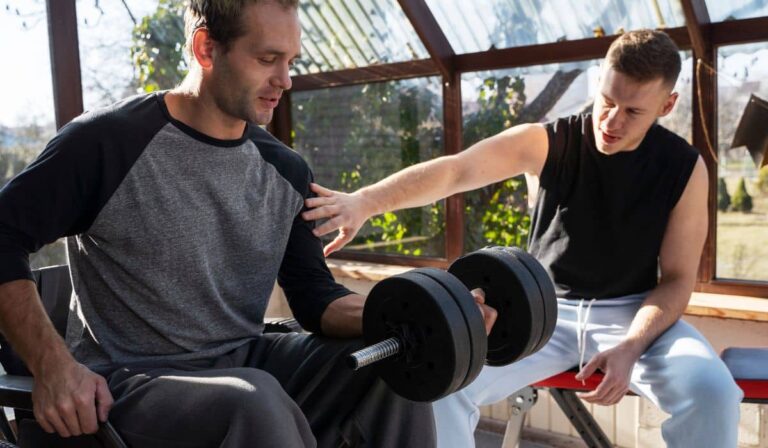
Professional trainers analyse both home and gym habits to create a cohesive fitness plan. They understand that progress does not depend only on training intensity. It depends on how well the body recovers and moves throughout the day.

How trainers personalise home routines

  • Assessing posture and daily movement patterns

  • Recommending mobility exercises tailored to specific weaknesses

  • Creating simple home routines that require minimal equipment

  • Providing guidance on meal timing for energy management

  • Offering sleep and recovery strategies

  • Tracking how home habits affect weekly training sessions

This integration makes every session safer, more efficient, and more productive.

Balancing Strength, Recovery, and Lifestyle

Corporate stress, family duties, and irregular schedules often disrupt training consistency. A balanced approach that blends home routines with structured gym sessions helps clients stay on track even during demanding weeks.

How clients balance both environments

  • Using home-based stretching to reduce soreness

  • Performing light resistance exercises on rest days

  • Practising mindful breathing during stressful work periods

  • Scheduling gym sessions around personal energy peaks

  • Applying recovery tools like foam rollers and massage balls at home

This balanced structure prevents burnout and keeps the body primed for training.

How Home Routines Support Injury Prevention

Many injuries occur not during training, but during daily movement. Weak posture, tight hips, poor foot strength, and repetitive desk habits contribute to these problems.

Home strategies that reduce injury risk

  • Daily hip mobility to counter long sitting hours

  • Ankle mobility drills to support better squat mechanics

  • Stretching routines that reduce back tightness

  • Spine rotation exercises to improve torso mobility

  • Barefoot activation to strengthen foot muscles

When these habits become part of daily life, the gym becomes a space for performance, not rehabilitation.

Nutrition Habits That Support Gym Results

Nutrition is a central part of the home-to-gym lifestyle. Without proper fueling, strength output drops, energy fluctuates, and recovery slows.

Home nutrition habits that improve training

  • Balanced breakfasts that stabilise blood glucose

  • Adequate protein for muscle repair

  • Timed carbohydrate intake for intense sessions

  • Hydration strategies across the day

  • Post-training meals that replenish energy reserves

A strong nutrition system keeps the body ready for consistent training.

Sleep Rituals for Better Performance

Sleep quality influences energy, recovery, metabolism, and mood. Personal trainers often help clients improve bedtime routines to support training progress.

Sleep-supportive rituals

  • Reducing screen exposure before bed

  • Gentle stretches to relax the body

  • Deep breathing patterns that calm the mind

  • Consistent sleep and wake times

  • Creating a cool and dark sleep environment

Good sleep strengthens the connection between home and gym performance.

Creating a Sustainable Home-to-Gym Lifestyle

The goal is not perfection, but sustainability. A home-to-gym lifestyle helps clients remain consistent even during busy weeks because they develop foundational habits that support long-term growth.

Long-term benefits

  • Improved mobility through daily movement

  • Faster recovery from intense sessions

  • Higher energy levels throughout the week

  • Reduced likelihood of injuries

  • Better stress management

  • Enhanced strength and stamina

As clients maintain these habits, training becomes easier, progress becomes clearer, and wellbeing improves.

FAQ

Q. Do I need special equipment at home to support my gym training?

No. Most routines require only bodyweight, a resistance band, or simple mobility movements.

Q. How much time should I spend on home routines daily?

Five to fifteen minutes a day is enough to improve mobility, posture, and energy.

Q. Can home routines replace gym workouts?

No. Home routines support recovery and movement quality. Gym workouts build strength and performance.

Q. What if I travel or work irregular hours?

Your trainer can create travel-friendly routines and adapt your programme weekly to match your schedule.

Q. How long does it take to see the benefits of a home-to-gym lifestyle?

Most people notice less stiffness and better energy within ten to fourteen days. Strength and performance improvements follow soon after.

In industries where working at height is a daily reality, safety and practicality go hand in hand. Whether it’s for maintenance, construction, warehouse operations, or facility repairs, finding a reliable way to lift workers securely is essential. That’s where the forklift man basket comes into play—a simple yet vital piece of equipment that helps businesses complete elevated tasks more safely and efficiently.

Forklifts are already indispensable in most industrial settings, but with the right attachment, they can do much more than move pallets. By adding a properly designed and certified man basket, companies can transform their forklifts into versatile aerial work platforms that give workers stable access to hard-to-reach areas without the need for specialized machinery like scissor lifts or boom lifts.

Understanding What a Forklift Man Basket Is

A forklift man basket, also known as a forklift safety cage, is an attachment designed to safely lift personnel using a forklift. Constructed from heavy-duty steel with reinforced floors and protective guardrails, these baskets are built to provide stability and security while allowing workers to perform elevated tasks efficiently.

Most models include non-slip flooring, toe boards, and locking mechanisms that secure the basket to the forklift’s tines, preventing accidental detachment. Entry gates are designed for easy access while ensuring the operator and occupant remain secure during use.

In short, a forklift man basket allows workers to safely perform jobs that require height—such as changing light fixtures, repairing warehouse racking, or inspecting overhead systems—without needing to rent or buy expensive lifting equipment.

Why Forklift Man Baskets Are an Industry Essential

The growing demand for versatility and safety in industrial settings has made forklift man baskets a go-to solution for many businesses. Companies appreciate how easily these baskets integrate with existing forklift fleets, eliminating the need for additional heavy machinery.

Here are a few reasons why these attachments have become so widely used:

  1. Cost Efficiency: Instead of investing in dedicated aerial platforms, businesses can use their existing forklifts with an attachment that costs a fraction of the price.
  2. Time Savings: Forklift man baskets are quick to set up and remove, which helps teams switch between lifting materials and lifting personnel without disrupting workflow.
  3. Space Optimization: For facilities with limited floor space, a forklift attachment is easier to store and maneuver compared to bulky lifts or scaffolding.
  4. Safety Compliance: When properly certified and used according to safety standards, forklift man baskets offer secure working conditions at height.

For many small and medium-sized operations, this combination of affordability and practicality makes the forklift man basket an ideal choice for everyday maintenance and repair tasks.

Safety First: Key Standards and Best Practices

While forklift man baskets offer numerous benefits, safety must always come first. Both the operator and the worker being lifted need to follow proper safety procedures to minimize risks.

Regulatory agencies such as OSHA (Occupational Safety and Health Administration) have established strict guidelines for using these attachments. Employers are required to ensure that the man basket meets design and load standards, including:

  • Proper Design Certification: The basket must be specifically engineered for personnel lifting, with load capacity clearly marked.
  • Secure Attachment: The basket should be firmly attached to the forklift using safety chains, clamps, or locking devices that prevent sliding or tipping.
  • Operator Training: Only trained and authorized forklift operators should be permitted to lift personnel.
  • Use of Safety Harnesses: Workers inside the basket should wear a safety harness attached to an approved anchor point.
  • Forklift Stability: The forklift should remain stationary with brakes engaged and mast vertical during lifting operations.

Regular inspections of both the forklift and the man basket are crucial to maintaining compliance and preventing accidents. Damaged or corroded components, loose welds, or missing safety features should be repaired or replaced immediately before use.

Different Types of Forklift Man Baskets

Not all work environments are the same, and neither are forklift man baskets. Manufacturers produce several designs to meet the diverse needs of industries like manufacturing, construction, and warehousing.

Here are a few common types:

  • Standard Safety Cages: These are the most common models, featuring enclosed sides, a gated entry, and a solid floor. Ideal for maintenance and light repair tasks.
  • Collapsible Baskets: Designed for facilities with limited storage space, these can be folded down when not in use.
  • Extended Platforms: Larger baskets that can accommodate multiple workers or bulky tools.
  • Custom-Designed Units: Some applications require custom sizing or additional safety features like tool trays, overhead guards, or anti-slip coatings.

Choosing the right type depends on the specific tasks at hand, the forklift’s lifting capacity, and the safety standards that apply to the job site.

Advantages Beyond Safety

While safety is the primary motivation for using forklift man baskets, there are several other advantages that make them an appealing investment.

  1. Enhanced Productivity
    With a forklift man basket, workers can complete elevated tasks faster and more efficiently. There’s no need to constantly reposition scaffolding or wait for specialized equipment to be brought in.
  2. Flexibility Across Job Types
    From warehouse lighting maintenance to outdoor signage repair, these baskets can handle a wide range of applications. Their adaptability makes them a valuable tool for multi-purpose operations.
  3. Easy Integration
    Because most forklifts already have the power and reach needed to elevate workers, a man basket is a simple addition that expands functionality without requiring major modifications or new training programs.
  4. Worker Confidence
    Knowing that the equipment they are using is stable and secure allows workers to focus more on the task and less on potential hazards.

Common Mistakes to Avoid

Even with safety features built in, improper use of a forklift man basket can lead to serious accidents. Employers and operators should be aware of common mistakes to avoid:

  • Using Non-Certified Equipment: Never use homemade or modified baskets not designed for lifting personnel.
  • Exceeding Weight Capacity: Always adhere to the rated load limit for both the basket and the forklift.
  • Moving While Elevated: Forklifts should never be driven while workers are elevated in the basket.
  • Ignoring Environmental Factors: Wind, uneven surfaces, or poor lighting can increase risk and should be managed before lifting personnel.
  • Skipping Maintenance Checks: Regular inspection and maintenance of both the forklift and basket ensure ongoing safety and reliability.

By avoiding these pitfalls, companies can maintain compliance and protect their workers from unnecessary risk.

Innovations in Forklift Man Basket Design

Modern technology continues to enhance safety and performance across industrial equipment, and forklift man baskets are no exception. Manufacturers are introducing new materials, designs, and safety mechanisms to improve functionality and compliance.

Some newer models feature integrated tool trays, automatic locking systems, and anti-slip diamond plating for added stability. Others use lighter yet durable materials like aluminum alloys, which make them easier to attach and maneuver without compromising strength.

Digital innovations are also beginning to influence safety in this area. Some companies are experimenting with sensors that detect basket tilt, overload, or improper attachment, alerting operators before issues escalate. These advancements demonstrate how even simple equipment can evolve through thoughtful engineering and technology.

Why Businesses Should Invest in Certified Equipment

Purchasing a forklift man basket should never be a decision based solely on price. While cheaper, non-certified options might seem attractive, they can pose significant safety and legal risks. Investing in certified, OSHA-compliant equipment ensures long-term safety and reliability.

A certified man basket comes with verified testing data, quality assurance, and manufacturer support. It also helps protect employers from liability in the event of an accident, as compliance with safety standards can be documented and proven.

In the long run, the peace of mind and operational efficiency that come with quality equipment far outweigh the upfront savings of non-certified alternatives.

Final Thoughts

Forklift man baskets represent a perfect example of practical engineering that blends safety, convenience, and versatility. By turning an everyday forklift into a multi-purpose aerial work platform, companies can perform high-level maintenance, inspections, and installations with confidence and control.

As long as proper training, equipment certification, and safety procedures are followed, these attachments can significantly improve productivity and worker safety. For businesses committed to maintaining high safety standards without compromising efficiency, investing in a well-designed forklift man basket is a decision that pays off in both the short and long term.

Relocating from New York to Florida can be both an exciting adventure and a logistical challenge. Whether you are moving for a new job, a change of lifestyle, or retirement, the process requires careful planning, organization, and professional support. Opting for a reliable moving company from New York to Florida can make all the difference in ensuring your transition is smooth, efficient, and stress-free.

Understanding Long-Distance Moves

Moving across states is significantly different from a local relocation. Long-distance moves involve not only transporting your belongings over hundreds of miles but also navigating timing, logistics, and legal requirements. From packing and loading to transportation and unloading, each step requires careful attention.

One key factor is distance. A move from New York to Florida spans roughly 1,000 miles, depending on your exact locations. This distance makes hiring professional movers crucial, as they have the experience, equipment, and knowledge to handle extended travel and ensure that your items arrive safely.

Benefits of Hiring a Professional Moving Company

Hiring a professional moving company New York to Florida offers multiple advantages over a DIY approach. First, professional movers bring expertise in packing fragile items, handling bulky furniture, and securing your belongings for long-distance transport. Proper packing prevents damage and ensures that your items arrive in the same condition they left your home.

Additionally, professional movers provide logistical support. They plan the route, schedule rest stops, and coordinate the timing of the move to avoid unnecessary delays. Insurance coverage is another critical benefit, offering peace of mind in case of unforeseen incidents during transit.

Planning Your Move Effectively

Effective planning is key to a successful move. Start by creating a detailed timeline that includes packing, inventory management, and scheduling the moving company. Decluttering before the move can reduce costs and make packing easier. Consider donating or selling items you no longer need.

Labeling boxes and keeping an inventory ensures that nothing gets lost during transport. It also makes unpacking in Florida more organized and efficient. Many moving companies can provide specialized moving supplies, such as custom crates for fragile or valuable items, to further protect your belongings.

Choosing the Right Moving Company

Selecting the right moving company involves more than just comparing prices. Reputation, experience, and services offered are essential factors. Look for companies with proven experience in long-distance moves, excellent customer reviews, and appropriate licensing and insurance.

Ask about additional services such as temporary storage, packing assistance, and unpacking options. Some movers also offer climate-controlled transport for sensitive items, which can be particularly valuable if you are relocating expensive electronics, artwork, or antiques.

Tips for a Smooth Transition

Communication is key. Keep an open line with your moving company to confirm pickup and delivery dates, ask questions, and stay informed throughout the process. Prepare an essentials box with items you will need immediately upon arrival in Florida, such as personal documents, toiletries, and basic kitchen supplies.

If you have pets or plants, make special arrangements for their transport. Many moving companies offer guidance or services to ensure safe and comfortable relocation for your four-legged family members.

Settling into Your New Home

Once your belongings arrive in Florida, a systematic approach to unpacking can ease the transition. Start with essential rooms like the kitchen and bedrooms. Take time to organize your space, and gradually tackle storage areas.

Adjusting to a new environment is more than just unpacking boxes. Explore your neighborhood, register with local services, and establish new routines. The smoother your move, the faster you can start enjoying your new home and lifestyle in Florida.

Final Thoughts

Relocating from New York to Florida is an exciting opportunity, but it can also be a complex process without proper planning and support. Hiring a professional moving company from New York to Florida ensures that your move is safe, efficient, and less stressful. From packing and transportation to logistics and insurance, professional movers handle the details so you can focus on starting the next chapter of your life with confidence.

By investing in the right moving services, you not only protect your belongings but also make your transition an enjoyable and memorable experience. Whether moving for work, lifestyle, or family, the right moving company can turn a challenging long-distance relocation into a seamless journey.