

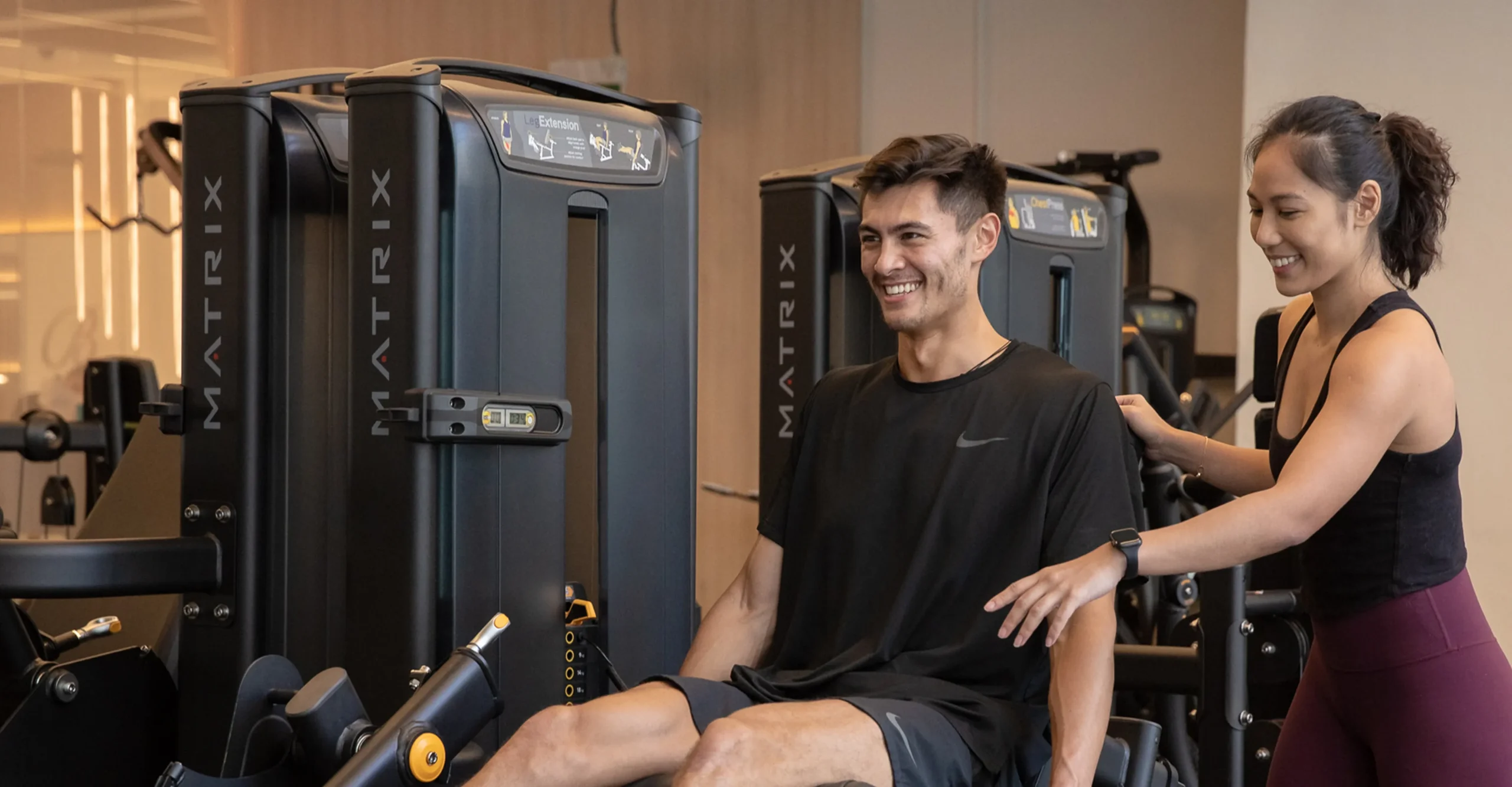
In Singapore’s fast paced and digitally connected lifestyle, many people now blend different types of training to stay consistent throughout the week. Home workouts offer convenience while gyms provide structure, equipment variety and professional grade training. This mix is quickly becoming the preferred approach for many fitness minded residents. A gym membership singapore plays a central role in making this hybrid routine effective because it gives access to equipment and spaces that home environments cannot provide, while home workouts offer flexibility when time is tight.
Singapore’s compact urban living, long working hours and unpredictable weather make the balance between home and gym training especially relevant. Instead of choosing one over the other, many people find that combining both helps maintain long term consistency, improves results and supports sustainable lifestyle habits.
Why Hybrid Fitness Is Growing in Singapore
Hybrid fitness simply means combining at home routines with regular visits to the gym. Singapore residents adopted this approach strongly after realising that long term consistency is easier when they have multiple training options available.
Several lifestyle factors contribute to this trend:
-
Limited free time on weekdays
-
Desire for flexibility
-
Smaller living spaces with limited room for equipment
-
The need for comprehensive equipment occasionally
-
The convenience of training without commuting on busy days
-
Increased awareness of preventive health
This balance ensures that no matter how busy or unpredictable the week becomes, training can continue in some form.
The Strengths of Home Workouts
Home workouts are popular for good reason. They remove barriers and make training possible even on the most demanding days. For many people, home workouts help maintain momentum between more structured gym sessions.
The key benefits include:
-
Zero commute time
-
Ability to train at any hour
-
Quick sessions possible between tasks
-
No waiting for machines
-
Ability to focus on mobility, stretching or light routines
-
A low pressure environment for beginners
Home workouts are ideal for days when motivation is lower, time is limited or energy levels do not support a full gym session.
The Limitations of Training at Home
At the same time, home workouts have clear limitations that can affect long term progress. These limitations become more noticeable as someone improves in strength, endurance or training variety.
Limitations often include:
-
Lack of heavy weights
-
Limited cardio equipment
-
No access to machines that support joint stability
-
Minimal space for complex movement
-
Difficulty maintaining progressive overload
-
Distractions from home and family
This is where gym training becomes essential for continued growth.
Why Gym Training Complements Home Workouts
Gyms provide structure, equipment variety and space that home environments cannot replicate. A membership allows individuals to focus on high quality training sessions that require proper equipment and dedicated environments.
Gyms provide:
-
Barbells, dumbbells and kettlebells
-
Strength machines that target specific muscles safely
-
Treadmills, rowers and bikes for structured cardio
-
Space for circuit training
-
Professional grade flooring
-
A distraction free atmosphere
Each of these tools helps individuals progress in ways that home routines alone cannot support.
Creating a Sustainable Hybrid Routine
Balancing home and gym workouts requires intentional planning. It is not about randomly switching between the two but using each environment strategically.
A simple hybrid weekly structure might look like:
-
Gym days
Strength training, heavy weights, endurance cardio, machines -
Home days
Mobility, stretching, core training, light strength, recovery sessions
This balance helps maintain consistency, protect joints and reduce burnout.
The Role of Habit Anchors in Singapore’s Urban Lifestyle
Habit building is essential for long term fitness success. Many Singapore residents face challenges maintaining routines due to irregular schedules, long commutes and digital distractions.
A gym membership acts as a habit anchor:
-
The location creates a mental association
-
The environment signals time for health
-
The structured atmosphere supports discipline
-
The routine helps people stay accountable
Home workouts then act as secondary habits, filling in gaps on days when going out is less practical.
Combining the Strengths of Both Environments
When used together, home and gym workouts become a powerful fitness approach. Each environment supports the other, creating a well rounded routine that is both flexible and structured.
Gym advantages:
-
Progressive overload
-
Full equipment access
-
Guided environment
-
Higher intensity possible
Home advantages:
-
Quick sessions on busy days
-
Lower energy barrier
-
Zero travel
-
Flexibility
Together, they provide a complete approach that fits modern Singapore lifestyles.
Supporting Mental and Emotional Health
A hybrid routine also supports mental balance. Training at home offers comfort and quietness, while the gym provides stimulation and structure.
Some people feel mentally refreshed at the gym because:
-
It removes them from work or home stress
-
The atmosphere boosts motivation
-
It offers social energy
Others enjoy home workouts because:
-
They offer privacy
-
They allow slower paced routines
-
They help with stress release
Balancing both creates emotional flexibility and reduces training fatigue.
Budget, Value and Long Term Planning
Many Singapore residents consider the financial aspect of fitness. A balanced hybrid routine offers great value. Home workouts cost little to nothing, while gym sessions provide the equipment necessary for serious progression.
Over time, this combination is cost efficient because:
-
Home workouts delay the need for additional memberships
-
Gym sessions prevent injury by providing proper equipment
-
Long term health improves, reducing medical expenses
This makes hybrid training highly sustainable.
Managing Space Limitations in Singapore Homes
Space is a major consideration in many HDB flats and condominiums. Home workouts must be adapted to fit within limited areas. Simple tools like resistance bands, yoga mats and light dumbbells work well. The heavier or more complex equipment is then used in the gym.
This ensures that space limitations never stop someone from training consistently.
Why Singapore’s Climate Supports Hybrid Training
Singapore’s humidity, heat and rain often make outdoor workouts inconsistent. Having both a home setup and a gym membership ensures that weather conditions never affect someone’s training.
For example:
-
On hot afternoons, gym sessions offer comfort
-
On rainy evenings, home workouts offer convenience
-
On busy days, home training keeps momentum
-
On weekends, the gym provides time for longer sessions
Hybrid training removes weather as a barrier.
Choosing the Right Gym Environment
Once someone embraces a hybrid routine, the next step is choosing a gym that complements it. Many residents eventually evaluate established and trusted fitness providers like True Fitness Singapore to find facilities with consistent space, equipment variety and long operating hours that support hybrid fitness.
Real Life Scenarios in Singapore
Parent balancing family responsibilities
Uses home workouts on weekdays and full gym sessions during weekends.
CBD professional with long hours
Does home mobility sessions at night and uses gym mornings for strength training.
University student living in a shared flat
Uses home floor workouts for convenience and gym sessions for structured progression.
Older adult improving mobility
Uses gentle home stretching routines and gym machines for safe strength work.
Fitness enthusiast
Mixes heavy gym sessions with home based core or conditioning workouts.
Each scenario shows how hybrid training increases flexibility without reducing results.
FAQs
Q1. How many home workouts should I do per week if I already have a gym membership?
Two to three home sessions focusing on mobility, core or light strength complement two or three structured gym sessions very well.
Q2. Is it possible to achieve serious progress with a hybrid routine?
Yes. Gym sessions create progression while home sessions support recovery, flexibility and consistency.
Q3. What equipment do I need at home?
A yoga mat, resistance bands and a pair of light dumbbells are usually enough for supplementary routines.
Q4. Should I do gym or home workouts on busy days?
Choose home workouts when time is limited. Choose the gym when you want structured training with proper equipment.
Q5. Does this approach work for beginners?
Yes. Beginners benefit by easing into fitness at home while using gym sessions for safe progression and proper form.

Comments are closed.