

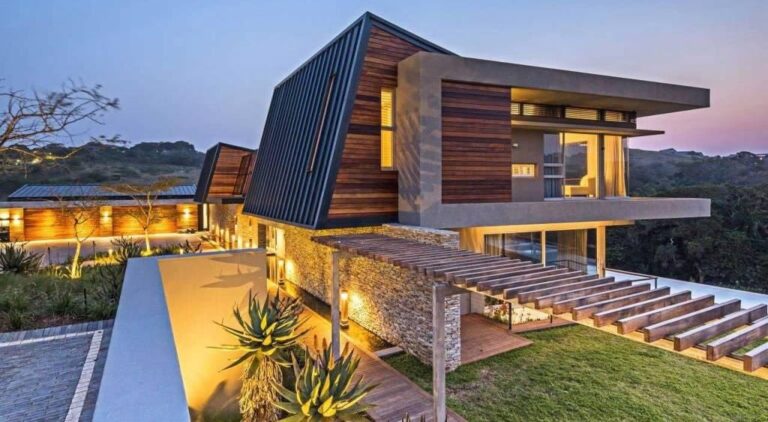
Architecture is far more than the design and construction of buildings; it is an intricate discipline that intertwines artistry, engineering, history, and technology. From ancient monuments to modern skyscrapers, architecture shapes the way we live, interact, and experience the world. This article delves deeply into the evolution of architecture, its critical impact on society, and its future trajectory, highlighting the significance of thoughtful design in shaping sustainable and human-centered environments.
The Evolution of Architecture: From Ancient Wonders to Modern Marvels
Architecture’s history spans millennia, with each period reflecting the technological advancements, cultural values, and societal needs of the time.
Ancient and Classical Architecture: Foundations of Modern Design
The earliest forms of architecture were driven by necessity, with shelters created using basic materials like wood, stone, and animal skins. As civilizations progressed, so did their buildings. The ancient Egyptians, Greeks, and Romans laid the foundations for modern architectural principles, many of which are still prevalent today.
- Egyptian Architecture: The Egyptians were pioneers in monumental architecture, best exemplified by the pyramids of Giza. Their use of large stone blocks and precise measurements to create enduring structures still fascinates architects and engineers.
- Greek and Roman Architecture: The Greeks introduced the concept of columns, which became a hallmark of classical architecture. The Romans furthered architectural innovation with the development of the arch, the vault, and the dome. These elements were crucial in constructing large-scale structures like the Colosseum and the Pantheon, which have influenced architecture throughout history.
Gothic and Renaissance Architecture: A Shift in Aesthetics and Function
The Middle Ages saw the rise of Gothic architecture, which emphasized verticality and light through the use of pointed arches, ribbed vaults, and flying buttresses. This style found its greatest expression in cathedrals like Notre-Dame de Paris. The Renaissance era, in contrast, brought a return to the classical principles of symmetry, proportion, and geometry, leading to structures such as St. Peter’s Basilica in Rome.
- Gothic Cathedrals: With their towering spires and intricate stained-glass windows, Gothic cathedrals were designed to inspire awe and convey spiritual transcendence.
- Renaissance Influence: Architects like Filippo Brunelleschi and Michelangelo harnessed the ideas of classical antiquity, creating buildings that balanced beauty with functionality, evident in the design of Florence Cathedral and the Vatican.
Modern Architecture: Revolutionizing the Built Environment
The industrial revolution in the 18th and 19th centuries introduced new materials like steel, concrete, and glass, which revolutionized architectural design. The birth of modernism in the early 20th century, led by pioneers like Le Corbusier, Ludwig Mies van der Rohe, and Frank Lloyd Wright, marked a shift toward minimalism and functionalism.
- Skyscrapers and the Rise of Urbanization: The development of steel-frame construction enabled the rise of skyscrapers, which reshaped cities around the world. Buildings like the Empire State Building exemplified the era’s technological breakthroughs and ambition.
- Modernist Ideals: Architects sought to reject ornate decorations in favor of clean lines and open spaces, believing that form should follow function. This idea manifested in iconic buildings like the Barcelona Pavilion and the Guggenheim Museum.
The Role of Architecture in Shaping Society
Architecture influences more than just the physical space we occupy. It plays a pivotal role in shaping our social structures, culture, and even psychological well-being. Here are some of the key ways architecture impacts society:
Social and Cultural Identity
Buildings are reflections of the societies that create them. From grand palaces to community spaces, architecture can embody national pride, cultural values, and collective identity.
- Monuments and National Identity: Monuments like the Eiffel Tower or the Statue of Liberty transcend their functional purpose, becoming symbols of national identity and pride. These structures not only reflect historical events but also inspire future generations.
- Public Spaces: Architecture can shape how we interact with our communities. Public parks, museums, and plazas foster social engagement, promote democratic ideals, and reflect the values of inclusivity and accessibility.
Psychological Impact and Well-being
The design of a space affects the people who inhabit it. Studies have shown that the layout, lighting, and materials used in a building can influence mood, productivity, and mental health.
- Biophilic Design: Incorporating natural elements into buildings—like indoor plants, natural lighting, and outdoor views—can improve cognitive function and reduce stress. Biophilic design has become increasingly popular in modern office buildings and homes.
- Spaces that Promote Well-being: Healthcare facilities, schools, and residential buildings are now being designed with a focus on creating environments that promote physical and mental well-being. For instance, hospitals are adopting more holistic designs that incorporate soothing colors, natural light, and green spaces to aid in healing.
Sustainability in Architecture: The Growing Need for Green Design
As climate change becomes a global concern, the demand for sustainable architecture has skyrocketed. Architects are now tasked with creating buildings that minimize environmental impact, reduce energy consumption, and use eco-friendly materials.
Green Building Practices and Innovations
Sustainable architecture focuses on energy-efficient designs, renewable energy sources, and reducing waste. Concepts like passive house design, which aims to reduce energy needs through smart insulation and airtight construction, have gained prominence. Other notable sustainable practices include:
- Energy-efficient Materials: The use of materials like recycled steel, low-emission glass, and bamboo can reduce the carbon footprint of construction projects.
- Renewable Energy: Solar panels, wind turbines, and geothermal energy systems are now being integrated into new buildings to reduce dependence on non-renewable energy sources.
Certifications and Green Standards
Green building certifications, such as LEED (Leadership in Energy and Environmental Design), BREEAM (Building Research Establishment Environmental Assessment Method), and WELL Building Standard, have become industry benchmarks for sustainability. These certifications assess a building’s environmental performance and occupant health, providing guidance on how buildings can meet global sustainability goals.
The Future of Architecture: Embracing Technology and Innovation
The future of architecture is bound to be shaped by technological advancements that promise to revolutionize the way buildings are designed, constructed, and experienced. Innovations like 3D printing, artificial intelligence (AI), and robotics are already beginning to reshape the architectural landscape.
3D Printing and Robotic Construction
3D printing has the potential to change the way buildings are constructed by enabling precise, cost-effective, and faster construction methods. Robotic construction technologies are already being used to build intricate facades and even entire homes, allowing for the use of new materials and complex designs that were previously impossible.
AI in Architecture
AI can assist architects in optimizing building designs, predicting structural behavior, and even improving sustainability. AI-powered tools are increasingly being used to simulate energy performance, optimize layouts, and analyze data to create more efficient buildings.
Smart Buildings and IoT Integration
The integration of the Internet of Things (IoT) into building design allows for the creation of smart buildings that can adjust to occupants’ needs in real-time. From regulating temperature and lighting to monitoring energy usage, smart buildings are setting new standards for efficiency and user experience.
Conclusion
Architecture is a constantly evolving field, driven by advances in technology, a greater understanding of human needs, and a commitment to sustainability. It shapes our environments, influences our daily lives, and reflects our values and aspirations. As we move forward, architects will continue to blend artistry with technology, creating spaces that are functional, beautiful, and environmentally responsible. The future of architecture holds exciting possibilities, where innovation and tradition can coexist to create built environments that support both people and the planet.
Frequently Asked Questions
What is the importance of architecture in society?
Architecture influences how we interact with spaces and each other, shaping cultural identity, social behavior, and our mental well-being. It impacts everything from public spaces to private homes, reflecting societal values and fostering community engagement.
How does architecture affect mental health?
The design of a space—its layout, lighting, and materials—can impact cognitive function, mood, and stress levels. Thoughtful architecture, especially in healthcare and educational environments, can support better physical and mental health.
What are the main trends in modern architecture?
Sustainability, green design, biophilic design, and the integration of smart technologies are key trends. Architects are focusing on energy-efficient, environmentally friendly buildings that promote occupant well-being and adapt to changing technological landscapes.
How is technology changing architecture?
Technologies like 3D printing, AI, robotics, and IoT are transforming the way buildings are designed and constructed. These advancements offer the potential for faster, more efficient construction, smarter buildings, and more personalized spaces for users.