

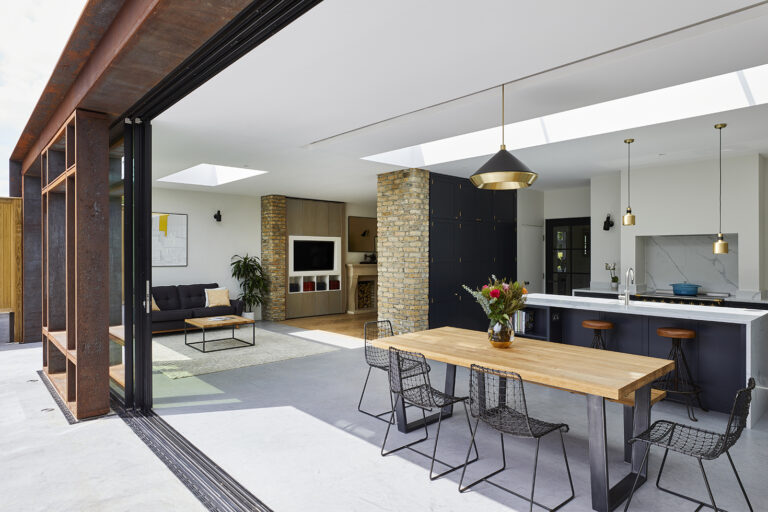
Renovation is more than just a process of making a space look newer—it’s about improving its functionality, increasing its value, and creating an environment that reflects your style and needs. Whether you’re renovating an entire house or just a single room, understanding the nuances of the renovation process is key to achieving a successful outcome. This guide delves into the essential aspects of renovation, from planning and budgeting to choosing the right materials and executing the project seamlessly. We will also explore the latest renovation trends and provide valuable insights on how to enhance your home’s appeal and functionality.
Understanding Home Renovation
Home renovation involves modifying or upgrading parts of a home to improve its functionality, aesthetics, and value. Renovation projects can range from minor updates like repainting walls to large-scale endeavors like structural changes or full overhauls of a property. Regardless of the size of the project, each renovation requires a clear vision, detailed planning, and strategic execution.
Types of Renovation Projects
- Cosmetic Renovations: These are the most common and include changes that are primarily aesthetic in nature. Examples include painting walls, updating fixtures, replacing flooring, and installing new cabinetry. Cosmetic renovations do not alter the structure of the home but can significantly enhance its appearance.
- Structural Renovations: These involve altering the home’s physical structure. Projects like removing walls, adding new rooms, or reinforcing foundations are part of structural renovations. Structural changes require more planning and may need professional services such as architects or engineers.
- Functional Renovations: These projects aim to improve the way a space functions. Installing new kitchen layouts, improving storage options, or adding smart home technologies are all functional renovations that enhance the usability of a home.
- Restoration Renovations: These are typically performed on historic properties to preserve their original charm and character while upgrading certain aspects to meet modern standards. Restoration involves a delicate balance of maintaining the integrity of the home while enhancing its structural and functional capabilities.
Steps in the Renovation Process
Embarking on a renovation journey requires careful planning and execution. Whether you are renovating a single room or an entire home, the process follows similar steps. Here’s an in-depth look at each phase of the renovation process.
1. Setting a Clear Goal and Budget
Before beginning any renovation, it’s essential to have a clear understanding of what you want to achieve and how much you are willing to spend. Defining your goals helps keep the project focused and ensures that all efforts contribute to the desired outcome.
- Goal Setting: What do you want to achieve with the renovation? Is it enhancing aesthetics, improving functionality, or increasing property value? Defining your goals helps guide decisions throughout the renovation process.
- Budgeting: Set a realistic budget based on the scope of the renovation. Be sure to account for both expected and unexpected costs, and allocate a portion of the budget for contingencies. Renovations often come with hidden costs, such as structural issues or unforeseen complications.
2. Hiring Professionals or DIY Approach
Once you have a clear goal and budget, the next step is determining whether you will handle the renovation yourself or hire professionals. While some projects can be tackled by DIY enthusiasts, others—especially structural changes or electrical and plumbing work—require skilled professionals.
- DIY Renovations: DIY projects are suitable for tasks like painting, tiling, or installing new fixtures. However, these projects require time, skill, and tools to execute correctly. DIY renovations can save on labor costs but may be time-consuming and challenging.
- Hiring Professionals: For more complex tasks, such as plumbing, electrical work, or structural changes, it’s wise to hire licensed professionals. Professionals bring expertise and experience to ensure that the work meets safety standards and local building codes. Consider hiring a general contractor if the renovation involves multiple types of work.
3. Designing the Space
The design phase of a renovation is where your vision comes to life. Whether you’re remodeling a kitchen, bathroom, or entire home, designing a layout that maximizes space and reflects your style is key to a successful renovation.
- Space Planning: Maximize the use of available space while maintaining flow and functionality. Consider factors like the placement of furniture, the kitchen work triangle, or the traffic flow in an open floor plan.
- Choosing Materials: The materials you choose will impact both the aesthetics and functionality of the space. Consider factors like durability, maintenance, and cost when selecting flooring, countertops, cabinetry, and other elements. Sustainable materials, such as reclaimed wood or energy-efficient appliances, can add value to your home.
- Style and Aesthetic: Choose a design style that complements your personal taste and fits the existing architecture of your home. Popular styles include modern, rustic, industrial, traditional, and transitional. Use color schemes, textures, and design elements that align with the overall aesthetic.
4. Obtaining Permits and Approvals
Many renovation projects, especially those that involve structural changes or electrical and plumbing work, require permits. Failing to obtain the necessary permits can result in fines, delays, or issues when selling the property in the future.
- Building Permits: Check with your local government to determine which permits are required for your project. A general contractor can help with this process or may take on the responsibility of acquiring permits for you.
- Zoning and Code Compliance: Ensure that your renovation complies with local zoning laws and building codes. This ensures that the renovation is safe, legal, and up to code, preventing complications in the future.
5. Execution: Bringing the Vision to Life
Once the design is finalized and permits are in place, the renovation work can begin. This is where the planning and preparation pay off, as the space begins to transform.
- Project Management: If you are hiring a general contractor, they will manage the day-to-day execution of the renovation. They will oversee scheduling, coordinate subcontractors, and ensure the project stays on track.
- Timeline: A renovation project’s timeline will vary depending on its scope. While smaller cosmetic updates can be completed in a few weeks, larger renovations may take several months. Always plan for delays and ensure the project is progressing according to schedule.
- Quality Control: During the renovation, it’s essential to regularly inspect the work to ensure that it meets your expectations and adheres to safety standards. If you are working with professionals, maintain open communication to address any issues that arise.
6. Final Touches and Clean-Up
Once the major work is completed, it’s time for the finishing touches. This phase involves adding decor, finalizing installations, and ensuring the space is ready for use.
- Install Fixtures and Furnishings: Finalize the installation of fixtures like lighting, hardware, and appliances. Add furniture and decor elements that complement the design and make the space functional and comfortable.
- Cleaning and Inspection: A thorough cleaning is necessary to remove dust and debris left behind during construction. Additionally, perform a final inspection to ensure that everything works properly and that the space is safe for use.
Renovation Trends to Watch
As the home renovation industry continues to evolve, several trends are shaping how homeowners approach their projects. These trends reflect shifts in design preferences, technological advancements, and sustainability concerns.
1. Sustainable and Eco-Friendly Renovations
Sustainability is a growing priority for homeowners looking to reduce their environmental impact. Eco-friendly renovations involve using sustainable materials, energy-efficient appliances, and waste-reducing strategies.
- Energy-Efficient Features: Solar panels, energy-efficient windows, and LED lighting are increasingly incorporated into renovations to reduce energy consumption.
- Sustainable Materials: Reclaimed wood, bamboo, and recycled materials are becoming popular choices for flooring, cabinetry, and furniture.
2. Smart Home Integration
With the rise of smart technology, many homeowners are incorporating devices such as smart thermostats, lighting, and security systems into their renovations. These systems provide convenience, energy savings, and increased home security.
- Smart Kitchens: Smart appliances, such as refrigerators, ovens, and dishwashers, are becoming commonplace in modern kitchen renovations.
- Automated Systems: Home automation systems can control everything from lighting and heating to home entertainment and security, offering seamless control over various aspects of the home.
3. Open Floor Plans and Multi-Use Spaces
Open floor plans continue to be a popular trend, especially for kitchens and living areas. These spaces promote a sense of connectivity and flow, making them ideal for families and entertaining.
- Flexible Spaces: Homeowners are increasingly seeking multi-purpose rooms that can serve different functions. A guest room can double as an office, and a living room can easily transition into a dining area.
4. Minimalist and Functional Design
Minimalism is a dominant trend in both home renovations and interior design. The focus is on clean lines, simple furnishings, and uncluttered spaces that promote calm and functionality.
- Decluttered Spaces: Renovating with minimalist principles often involves reducing excess furniture and decor, allowing for more space and a less chaotic environment.
- Functional Design: Every element of the space should serve a purpose. Multi-functional furniture, built-in storage, and clever design solutions make the most out of the available space.
Frequently Asked Questions
How long does a home renovation typically take?
The timeline for a home renovation varies based on the scope of the project. Smaller projects, such as kitchen or bathroom updates, may take several weeks, while large-scale renovations, such as whole-house remodels, can take several months.
Do I need a permit for a renovation project?
Permits are required for many types of renovations, especially if they involve structural changes, electrical work, or plumbing. Be sure to check with your local authorities to understand the requirements for your specific project.
How can I finance my renovation?
There are several ways to finance a renovation, including home equity loans, personal loans, or refinancing your mortgage. You can also consider using credit cards for smaller, short-term projects.
How do I know if my renovation is worth the investment?
Consider the return on investment (ROI) of your renovation. Projects like kitchen and bathroom remodels typically offer higher ROI, while others, like adding a pool, may not recoup as much value.
What are the most popular renovation projects?
Some of the most popular renovation projects include kitchen and bathroom remodels, basement finishing, adding a deck or patio, and energy-efficient upgrades like new windows or insulation.