

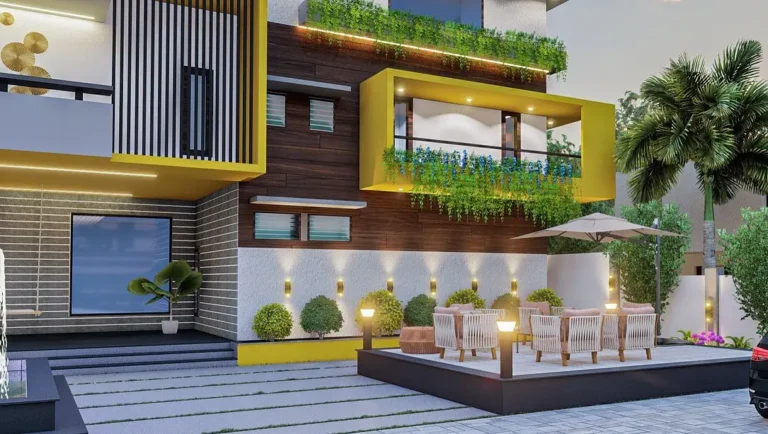
The exterior of a building plays a crucial role in defining its aesthetic appeal, functionality, and longevity. Whether it’s a home, a commercial building, or a public space, the exterior design can dramatically influence first impressions, enhance curb appeal, and contribute to environmental sustainability. In this comprehensive guide, we will explore the essential elements of exterior design, from the materials and design principles to the latest trends shaping outdoor spaces.
The Importance of Exterior Design
Exterior design goes beyond aesthetics; it is an essential component that influences a building’s structural integrity, energy efficiency, and overall functionality. The exterior serves as the first line of defense against the elements, protecting the interior from harsh weather conditions while providing a welcoming and visually appealing facade.
Curb Appeal and Aesthetic Impact
The exterior design of a building significantly impacts its curb appeal. A well-thought-out exterior can make a house or building stand out in a neighborhood, while a poorly designed exterior can detract from its value. Design elements like color, texture, and landscaping play an essential role in creating a visually pleasing environment.
Durability and Protection
The exterior of a structure is constantly exposed to the elements—rain, snow, wind, and UV rays—so durability is crucial. Exterior materials must withstand weathering, temperature fluctuations, and physical wear over time to protect the interior of the building. Well-chosen materials ensure that the exterior continues to perform effectively while retaining its aesthetic qualities.
Energy Efficiency and Sustainability
With increasing awareness of environmental issues, many exterior designs now prioritize energy efficiency. Proper insulation, reflective roofing, and sustainable materials can help reduce a building’s energy consumption, contributing to a greener future. Moreover, exterior design plays a role in optimizing natural light, which reduces the need for artificial lighting and improves the overall energy efficiency of the building.
Key Elements of Exterior Design
Exterior design incorporates multiple elements that work together to create a cohesive look while enhancing the building’s performance. The following are the key components of a successful exterior design:
1. Materials: Aesthetic Appeal and Longevity
The materials used in exterior design are a primary factor in determining the building’s durability, maintenance needs, and overall aesthetic. Different materials offer unique qualities that can suit various architectural styles.
- Brick: Brick is a timeless exterior material that provides strength, durability, and low maintenance. It is resistant to weathering and can add a traditional, classic appeal to buildings. Brickwork can also contribute to excellent insulation, helping to maintain a comfortable interior temperature.
- Wood: Wood offers a natural, warm aesthetic and is commonly used in residential exteriors. However, it requires proper maintenance to prevent rot and insect infestation. Advances in treated and engineered wood have made it more durable, and it can be used in a range of design styles, from rustic to modern.
- Stone: Natural stone, such as granite, limestone, or slate, is used in both contemporary and traditional designs. It’s known for its long-lasting durability, withstanding harsh weather conditions. Stone exteriors also provide excellent insulation and a luxurious aesthetic.
- Metal: Modern architectural designs increasingly feature metal exteriors, including steel, aluminum, and zinc. Metal exteriors are often sleek and minimalist, with high resistance to the elements and low maintenance. They are especially popular for commercial buildings, industrial designs, and modern homes.
- Siding: Vinyl, fiber cement, and composite siding are some of the most common options for residential homes. These materials are affordable, low-maintenance, and come in various colors and textures. They offer protection against the elements and can be easily customized.
2. Roofing: Function and Style
The roof is one of the most critical components of the exterior, serving as the first line of defense against weather elements and contributing to the building’s overall aesthetic. Choosing the right roofing material and style is essential for both protection and design.
- Asphalt Shingles: Asphalt is one of the most popular roofing materials, particularly for residential buildings. It is cost-effective, durable, and comes in a variety of colors. Modern asphalt shingles are often designed with energy efficiency in mind, with reflective coatings to reduce heat absorption.
- Metal Roofing: Metal roofs have become increasingly popular due to their durability and energy efficiency. These roofs are resistant to extreme weather conditions and provide excellent insulation. They are available in various styles, including standing seam and corrugated panels, and can be coated with reflective materials to improve energy performance.
- Clay or Concrete Tiles: Common in Mediterranean or Spanish-style homes, clay and concrete tiles are durable and offer a unique aesthetic. These materials are excellent at regulating temperature and are often chosen for their high durability and visual appeal.
- Green Roofs: A growing trend in sustainable design is the use of green roofs. These roofs are covered with vegetation, which helps to reduce energy consumption, improve air quality, and promote biodiversity. Green roofs are particularly beneficial for urban areas where green space is limited.
3. Windows and Doors: Enhancing Functionality and Style
Windows and doors are integral to the exterior design, offering not only functional purposes like light and ventilation but also contributing to the overall style of the building.
- Windows: The size, shape, and material of windows significantly influence the design of the exterior. Large, expansive windows are often used in modern designs to bring in natural light and create an open, airy feel. In contrast, smaller windows with traditional frames are common in more classic or cottage-style homes.
- Energy-Efficient Windows: Double or triple-glazed windows with low-emissivity (Low-E) coatings help reduce energy loss, improving a building’s energy efficiency. These windows minimize heat transfer, ensuring a comfortable indoor environment while lowering heating and cooling costs.
- Doors: Entry doors come in various materials, including wood, fiberglass, and steel. The design of the door can reflect the overall style of the building, from grand, oversized doors in classical homes to sleek, minimalist doors in contemporary designs.
- Sliding and Bi-Fold Doors: Popular in modern designs, sliding and bi-fold doors create a seamless transition between indoor and outdoor spaces. These doors are often used in homes with patios or terraces, enhancing natural light and providing expansive views.
4. Landscaping: Complementing the Exterior Design
Landscaping plays a critical role in enhancing the exterior’s curb appeal. Thoughtfully designed outdoor spaces can complement the architecture of the building and create an inviting atmosphere.
- Hardscaping: The use of non-plant elements such as patios, walkways, retaining walls, and outdoor kitchens can elevate the exterior design. Materials such as stone, brick, or concrete are commonly used in hardscaping.
- Softscaping: Planting trees, shrubs, flowers, and grass softens the appearance of the exterior. Landscaping can be designed to provide privacy, reduce noise, or create a serene environment. Native plants are often preferred as they require less water and maintenance.
- Lighting: Outdoor lighting enhances the safety and aesthetic appeal of a property. Pathway lights, wall-mounted sconces, and spotlights can highlight architectural features and create a welcoming ambiance in the evenings.
5. Sustainability and Green Design: Eco-Friendly Exterior Choices
As environmental concerns continue to rise, sustainable exterior design has become a key consideration. Eco-friendly exterior materials and design features contribute to energy efficiency and environmental responsibility.
- Energy-Efficient Design: Incorporating energy-efficient elements like insulated windows, reflective roofing materials, and sustainable cladding options can help reduce energy consumption. Green design principles, such as passive solar heating and natural ventilation, can also enhance the building’s environmental performance.
- Recycled and Sustainable Materials: Using recycled materials or materials that have a low environmental impact, such as bamboo or reclaimed wood, can reduce the carbon footprint of construction. These materials are both eco-friendly and visually appealing.
- Water Conservation: Efficient irrigation systems, rainwater harvesting, and drought-tolerant landscaping can help conserve water and reduce the environmental impact of a property’s exterior.
Exterior Design Trends for 2025 and Beyond
As technology, design aesthetics, and environmental concerns continue to evolve, so too do the trends in exterior design. Some notable trends for 2025 include:
- Sustainable Architecture: With increasing awareness of environmental issues, green and sustainable design will continue to be a driving force in exterior design. Buildings will feature more energy-efficient materials, water-saving technologies, and green roofs.
- Smart Homes: The integration of smart technology into the exterior is becoming more common. From automated lighting systems to energy-efficient climate control systems, smart homes offer increased convenience and energy savings.
- Minimalist and Modern Designs: Clean lines, neutral color palettes, and an emphasis on simplicity will continue to dominate exterior design. Many homeowners are opting for sleek, contemporary aesthetics, focusing on functionality and understated elegance.
Frequently Asked Questions
What is the most durable exterior material?
Materials such as stone, brick, and metal are among the most durable for exterior design. These materials can withstand harsh weather conditions and require minimal maintenance over time.
How can I make my home’s exterior more energy-efficient?
Energy-efficient windows, reflective roofing materials, and well-insulated walls can significantly improve a building’s energy efficiency. Additionally, landscaping features like shade trees can reduce heat absorption and lower cooling costs.
What are the benefits of using green roofs?
Green roofs provide insulation, reduce stormwater runoff, improve air quality, and contribute to biodiversity. They are also an aesthetically pleasing addition to modern buildings, helping to integrate nature into urban environments.
What exterior design trends are emerging for the future?
Sustainability and smart home integration are the key trends shaping the future of exterior design. Additionally, minimalist aesthetics and eco-friendly materials will continue to be at the forefront of modern exterior design.