Archive

August 2025

Browsing

The real estate market moves fast, and for homeowners looking to sell, time is often as critical as price. Whether driven by relocation, financial planning, or seizing a favourable market moment, the need to évaluer ma maison rapidement has never been greater. Understanding how to evaluate your house quickly, without compromising accuracy, can make the difference between a smooth, profitable sale and a drawn-out process filled with frustration.

Why Quick Evaluation Matters in Today’s Market

Speed plays a central role in real estate decisions. A delayed valuation can result in:

  • Missed opportunities where buyers are no longer available or interest rates shift.

  • Overpricing risks if market trends are not captured in time, leading to longer listing periods.

  • Underpricing mistakes that can leave thousands of euros or dollars on the table.

A quick evaluation, when done professionally, ensures you enter the market with confidence and realistic expectations.

Key Factors That Influence Rapid Home Valuation

To evaluate a house quickly yet accurately, several elements must be examined in detail.

Location and Neighbourhood Trends

Real estate still follows the timeless principle: location drives value. Quick valuation tools and agents assess:

  • Proximity to schools, workplaces, transport, and amenities.

  • Safety ratings and neighbourhood reputation.

  • Recent infrastructure projects such as metro stations, highways, or shopping centres that can enhance value.

Property Condition and Age

The structural health of a property strongly affects its value. While cosmetic issues may reduce offers slightly, serious concerns like roofing, electrical wiring, or plumbing can substantially lower the price.

Market Comparisons

A rapid, reliable method is Comparative Market Analysis (CMA). It evaluates recent sales of similar properties in your area. This ensures that your house is priced competitively while still maximising potential.

Size and Features

Square footage, number of bedrooms and bathrooms, and special features like balconies, gardens, or smart-home technology influence quick assessments.

Legal and Documentation Readiness

Homes with clear ownership, updated paperwork, and compliance certificates can be evaluated and sold much faster than those with pending legalities.

Methods to Evaluate Your House Quickly

Speed does not always require sacrificing precision. Here are tested approaches to achieve both.

1. Online Valuation Tools

Modern digital platforms provide instant estimates using big data, algorithms, and AI. These tools pull from recent sales records, neighbourhood trends, and property databases to deliver quick results.

Advantages:

  • Immediate results within minutes.

  • Useful for setting initial expectations.

Limitations:

  • May not account for unique property features.

  • Cannot physically inspect the house’s condition.

2. Professional Real Estate Agencies

Working with experienced agents or valuation experts balances speed with accuracy. Many agencies now combine online tools with in-person visits, providing detailed reports within 24–48 hours.

Advantages:

  • Human insight into unique selling points.

  • Market knowledge that algorithms may miss.

3. Hybrid Valuation Services

Some agencies offer a blend: start with online evaluation, followed by a rapid site visit. This hybrid approach delivers speed and reliability.

4. Auction and Quick-Sale Evaluations

For homeowners under time pressure, auctioneers and quick-sale firms provide fast valuations. However, the selling price may be below open-market value, so this option works best for urgent cash requirements.

Practical Steps to Speed Up Your Valuation

If you want to accelerate the evaluation process, preparation is key.

  • Organise documents such as title deeds, tax receipts, utility bills, and renovation records.

  • Repair small issues like leaky taps, cracked tiles, or broken fixtures. They may not increase value drastically but prevent negative impressions.

  • Highlight upgrades like new appliances, energy-efficient windows, or solar panels.

  • Take quality photos if you are using online evaluations. A clear representation of your home helps assessors understand its true condition.

Common Mistakes Homeowners Make When Seeking Quick Valuation

Rushing often leads to oversights. Some errors to avoid include:

  • Relying solely on online calculators. While convenient, they should only serve as a starting point.

  • Ignoring professional advice. Experienced agents understand subtle local trends beyond raw numbers.

  • Overestimating due to emotional attachment. Owners sometimes assume renovations or personal touches automatically add significant value.

  • Underestimating paperwork delays. Missing documents can stall the selling process, regardless of valuation speed.

How to Ensure Accuracy Despite Speed

The goal is not only speed but accuracy. You can ensure this by:

  • Comparing at least three sources of valuation: an online tool, a real estate agent, and a market report.

  • Asking professionals for a written report, not just verbal guidance.

  • Staying updated on recent neighbourhood sales and adjusting expectations accordingly.

  • Engaging multiple agents to see if their estimates align.

The Role of Technology in Fast Home Evaluation

PropTech innovations have transformed how quickly properties can be assessed. Advanced tools include:

  • AI-driven price prediction models that learn from massive datasets.

  • Drone surveys for quick exterior and land inspections.

  • Blockchain property records that reduce document verification delays.

These technologies provide both speed and reliability, helping sellers act decisively.

Benefits of Quick Evaluation Beyond Selling

While most homeowners seek fast evaluation for sales, other scenarios benefit too:

  • Mortgage refinancing. Lenders often require updated property valuations.

  • Inheritance and estate planning. Families need current value for fair distribution.

  • Insurance adjustments. Updated valuations ensure coverage matches property worth.

  • Investment decisions. Investors may use fast valuations to decide whether to renovate, rent, or resell.

Frequently Asked Questions About Quick Home Evaluation

Q. How long does a quick professional evaluation usually take?
Most agencies can deliver results within 24–48 hours if all documents are ready.

Q. Can online valuation tools be trusted for selling decisions?
They are a good starting point but should be supplemented with in-person assessments.

Q. Will staging my house before valuation help?
Yes. A clean, well-presented home creates a positive impression, which can increase the perceived value.

Q. What if my house is very unique compared to others nearby?
In such cases, rely more on professional evaluation rather than online estimates. Agents can highlight features that algorithms may not capture.

Q. Is it possible to speed up valuation without reducing accuracy?
Absolutely. Combining online tools, proper documentation, and expert guidance allows speed without compromise.

Why Property Restoration Matters

Owning a property comes with many responsibilities, from daily upkeep to addressing unexpected damages. Natural disasters, water leaks, mold growth, and fire incidents can cause significant destruction that requires more than basic cleaning. This is where professional restoration services step in. They not only repair visible damage but also ensure that the underlying structure remains safe and livable for years to come. If you are based in Florida and need specialized support after property damage, you can learn more about solutions tailored for your area.

Many homeowners underestimate the long-term effects of damage. For example, water seeping into walls can compromise electrical wiring and weaken the foundation. Smoke residue from a fire can linger in furniture and HVAC systems, affecting indoor air quality. By working with experienced professionals, property owners can restore their spaces efficiently and avoid costly mistakes.

Water Damage and Its Long-Term Impact

Water is one of the most destructive elements when it comes to property damage. Even a small leak can lead to extensive issues if not handled properly. Within 24 to 48 hours, moisture creates the perfect environment for mold to grow. Left untreated, mold can spread behind walls, under floors, and throughout ventilation systems.

Professional water damage restoration involves:

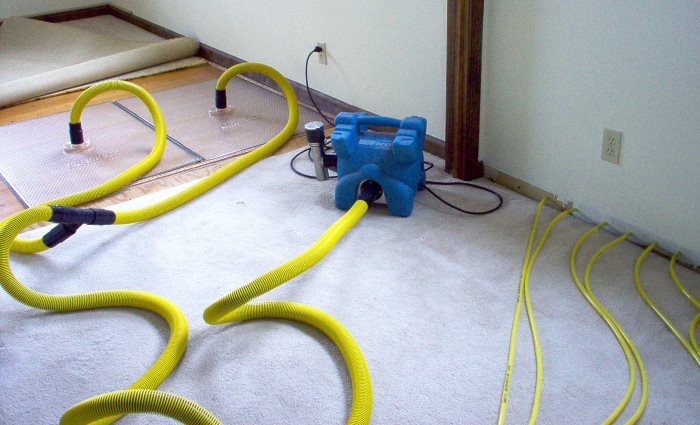
  • Water extraction using high-powered equipment to remove standing water.
  • Dehumidification to eliminate hidden moisture in walls and flooring.
  • Sanitization to prevent bacterial growth.
  • Structural repairs if drywall, flooring, or foundations have been compromised.

Without immediate intervention, water damage can lower property value, increase health risks, and cause irreversible structural weakening. For property owners, fast action and expert help are crucial.

Fire and Smoke Damage Restoration

Fires not only burn through physical structures but also leave behind toxic smoke and soot that continue to damage a home even after the flames are out. The cleanup process is far more complex than wiping down surfaces. Smoke particles can embed themselves into fabrics, carpets, and even walls. If inhaled, these particles can lead to respiratory issues and long-term health complications.

A fire restoration process typically includes:

  • Emergency board-up and tarping to secure the property.
  • Soot removal from walls, ceilings, and furniture.
  • Odor elimination through specialized cleaning agents and ozone treatments.
  • Repairs and reconstruction of damaged areas.

Handling fire damage without professional expertise can spread soot further or lock in odors permanently. This is why restoration teams use advanced tools and safe methods to restore indoor air quality and living conditions.

Mold Remediation and Prevention

Mold growth is one of the most common problems after water damage, but it can also arise from high humidity levels or poor ventilation. Beyond the musty smell, mold poses serious health risks, especially for individuals with asthma, allergies, or weakened immune systems.

Effective mold remediation involves more than just cleaning visible patches. Restoration professionals will:

  • Inspect the property with specialized equipment to detect hidden mold.
  • Contain affected areas to prevent spores from spreading.
  • Remove contaminated materials when necessary.
  • Apply antimicrobial treatments to discourage future growth.

Preventive steps such as maintaining proper ventilation and using dehumidifiers are also part of a long-term strategy to keep mold from returning.

Storm and Disaster Recovery Services

For many property owners, storm damage is unpredictable and devastating. Heavy winds can tear off roofs, flooding can destroy basements, and debris can damage windows. Professional storm recovery services are designed to restore safety and stability as quickly as possible.

Key steps often include:

  • Debris removal and cleanup to clear hazardous materials.
  • Roof repairs and tarping to protect the interior.
  • Water damage restoration if flooding occurred.
  • Comprehensive inspections to identify hidden damages before they escalate.

Disaster recovery teams often provide round-the-clock emergency services because waiting even a few hours can worsen the damage significantly.

The Role of Technology in Modern Restoration

Restoration services have evolved greatly thanks to new technologies. Advanced moisture meters, thermal imaging cameras, and industrial-grade air scrubbers allow professionals to detect and treat problems more effectively than ever before. These tools ensure that no hidden damage goes unnoticed, reducing the chances of recurring problems.

For example, thermal imaging can reveal dampness behind walls that would otherwise go undetected, while air scrubbers can filter out lingering smoke particles that traditional cleaning cannot remove. These innovations give property owners peace of mind, knowing their homes are not only visually restored but also safe at a deeper level.

Choosing the Right Restoration Partner

Not all restoration services are created equal, which is why selecting the right partner matters. Homeowners should look for companies with:

  • 24/7 emergency availability since disasters rarely happen during business hours.
  • Certified and trained technicians who follow industry standards.
  • Comprehensive services that cover everything from cleanup to reconstruction.
  • Proven experience in handling different types of property damage.

Checking reviews, certifications, and response times can help ensure that the chosen provider is reliable and capable of managing complex restoration tasks.

Real-Life Scenarios Where Restoration Makes a Difference

  • A family returns from vacation to find their home flooded due to a burst pipe. Quick water extraction and dehumidification prevent mold from spreading.
  • A lightning strike causes a house fire. Professional restoration not only rebuilds the damaged structure but also removes toxic smoke residue.
  • A hurricane leaves severe roof damage. Emergency tarping prevents further water intrusion until permanent repairs are completed.

These examples highlight why property restoration services are essential for protecting both safety and investment.

FAQs About Property Restoration

Q. How quickly should I contact a restoration service after damage occurs?
A. Immediately. The longer you wait, the more severe the damage becomes. Water can lead to mold growth in just 24 hours, while soot from a fire can permanently stain surfaces if not treated quickly.

Q. Will my insurance cover the cost of restoration?
A. Most property insurance policies cover restoration after water, fire, or storm damage, but coverage details vary. It is important to document all damage and contact your provider as soon as possible.

Q. Can I handle restoration on my own with basic cleaning tools?
A. Small cleanups may be possible, but large-scale restoration requires specialized equipment and knowledge. DIY methods often fail to address hidden issues, leading to recurring damage and higher long-term costs.

Q. How long does the restoration process usually take?
A. The timeline depends on the severity of the damage. Minor water leaks may take a few days to resolve, while major fire or storm restoration could take weeks. A professional team will provide a clear estimate after an initial inspection.

Q. How can I reduce the risk of future property damage?
A. Regular maintenance is key. Inspect roofs, plumbing, and drainage systems routinely. Invest in smoke detectors, sump pumps, and dehumidifiers to prevent common risks. Having an emergency response plan also ensures quicker recovery if disaster strikes.

Property, in its many forms, represents one of the most significant investments an individual or business can make. Whether you’re purchasing your first home, acquiring commercial real estate, or diversifying your portfolio with investment properties, understanding the intricacies of the property market is crucial for maximizing returns and minimizing risks. In this detailed guide, we will explore the different aspects of property ownership, investment strategies, and current market trends to provide a thorough understanding of how property can shape wealth-building efforts.

The Basics of Property Ownership

Owning property is a long-term commitment that involves more than just purchasing a piece of land or a building. It requires strategic planning, financial knowledge, and an understanding of legal and tax implications. Property ownership can be divided into two primary categories: residential and commercial. Each type carries unique responsibilities and potential for growth, requiring different strategies for management and investment.

Types of Property Ownership

  1. Residential Property: Residential property includes single-family homes, condominiums, townhouses, and multi-family buildings like duplexes or apartment complexes. These properties are typically purchased for personal use or as rental properties.
    • Single-Family Homes: Often the first choice for homebuyers, these properties offer privacy and space for individuals or families. They can appreciate in value over time, especially in desirable neighborhoods.
    • Condominiums and Townhouses: These properties are often found in urban areas and offer a low-maintenance lifestyle with shared responsibilities for building upkeep. They can be a more affordable alternative to single-family homes while providing similar amenities.
    • Multi-Family Units: Multi-family properties are ideal for investors looking to generate rental income. They often provide multiple streams of revenue and can be more cost-effective than single-family homes when considering the price per unit.
  2. Commercial Property: Commercial properties include office buildings, retail spaces, industrial properties, and warehouses. These are typically purchased for business purposes or as investments.
    • Office Buildings: These properties are leased out to businesses and can range from small, single-tenant buildings to large corporate headquarters. The demand for office space varies depending on economic conditions and trends in remote working.
    • Retail Spaces: Shopping centers, standalone stores, and malls fall into this category. Retail spaces have been significantly affected by the rise of e-commerce, but well-located properties still attract tenants.
    • Industrial Properties and Warehouses: As e-commerce and logistics continue to grow, industrial properties have become increasingly valuable. Warehouses, distribution centers, and manufacturing facilities are essential to supply chain operations.

Benefits of Property Ownership

  1. Wealth Building and Equity Growth: Over time, property values tend to increase, offering significant potential for wealth accumulation. As mortgage payments are made, homeowners build equity in their property, which can later be used for other investments or financial needs.
  2. Income Generation: Rental properties provide a steady stream of passive income. Whether it’s residential or commercial property, rental income can help cover expenses such as mortgage payments, property taxes, and maintenance.
  3. Tax Advantages: Property owners can take advantage of tax deductions related to mortgage interest, property taxes, and depreciation for investment properties. Additionally, capital gains tax benefits exist when properties are held for a longer period.
  4. Long-Term Financial Security: Unlike stocks or bonds, real estate is a tangible asset. It provides long-term stability and can be a reliable hedge against inflation. Many investors turn to property as a way to safeguard their wealth against market volatility.

Property Investment Strategies

Investing in property is a great way to diversify your investment portfolio and generate wealth. However, it’s important to consider various strategies based on your financial goals, risk tolerance, and market conditions.

1. Buy-and-Hold Strategy

The buy-and-hold strategy involves purchasing property with the intention of holding onto it for an extended period. This strategy takes advantage of long-term appreciation and rental income. Over time, as the property appreciates in value and rental income increases, investors can build substantial equity in the property.

  • Residential Buy-and-Hold: Investors purchase homes or multi-family units in neighborhoods with strong rental demand. As property values increase, so does the rental income, providing both capital appreciation and cash flow.
  • Commercial Buy-and-Hold: Commercial real estate investors follow a similar approach, buying office buildings or retail spaces in prime locations. The value of these properties often grows with the surrounding infrastructure and urban development.

2. Fix-and-Flip Strategy

Fix-and-flip investors purchase properties that require renovation or upgrades, invest in repairs, and then sell the property at a profit. This strategy requires a keen eye for spotting undervalued properties with high potential and an understanding of the renovation costs involved.

  • Residential Fix-and-Flip: Residential properties in need of cosmetic repairs or functional upgrades (such as new kitchens or bathrooms) can be flipped for a profit. The key to success with this strategy is ensuring the renovation costs are low and the resale value is high.
  • Commercial Fix-and-Flip: This strategy is more complex in commercial real estate but can be highly lucrative. Investors may buy old office buildings, retail spaces, or industrial properties in emerging markets and improve them to attract higher-quality tenants or buyers.

3. Real Estate Investment Trusts (REITs)

For investors who prefer a more passive approach to property investment, Real Estate Investment Trusts (REITs) provide a way to invest in commercial properties without having to manage them directly. REITs pool capital from multiple investors to purchase and operate income-producing properties, and they offer the benefits of real estate ownership without the complexity.

  • Publicly Traded REITs: These REITs are listed on the stock market, and investors can buy shares just like any other stock. They are highly liquid, meaning investors can buy or sell shares on the exchange at any time.
  • Private REITs: Private REITs are not publicly traded and may require a larger investment. They tend to focus on long-term, income-generating properties.

4. Short-Term Rentals

With the rise of platforms like Airbnb and Vrbo, short-term rentals have become an increasingly popular investment strategy. This approach involves purchasing properties in tourist destinations or high-demand areas and renting them out for short stays.

  • Profitability: Short-term rentals can generate higher rental income compared to long-term rentals due to nightly rates. However, the volatility of rental demand and the need for constant maintenance and guest management are important considerations.
  • Management: Many investors hire property managers or use property management software to help with guest bookings, cleaning, and maintenance to ensure the property remains profitable.

Market Trends Affecting Property Investment

The property market is dynamic and influenced by various factors, including economic conditions, interest rates, and demographic trends. Understanding these market trends is essential for making informed decisions.

1. The Impact of Interest Rates

Interest rates have a significant effect on property prices and investment potential. When interest rates rise, the cost of borrowing increases, which can reduce demand for property. On the other hand, low interest rates make it easier for buyers to secure financing, often driving up property demand and prices.

  • Rising Rates: Higher interest rates can slow down the property market, especially in high-cost areas. Buyers may become more cautious, and investors may see lower returns on property sales or refinancing.
  • Lower Rates: Lower rates often stimulate demand for both residential and commercial properties, leading to price increases and more investment opportunities.

2. The Shift to Suburban and Rural Areas

With the ongoing trend of remote work, many individuals and families are choosing to move away from dense urban centers to suburban and rural areas where they can find larger homes at lower prices. This shift has created opportunities for investors to capitalize on areas that were previously less desirable.

  • Suburban Growth: Properties in suburban neighborhoods are seeing increased demand as people seek more space and a higher quality of life. Investors are capitalizing on this by buying homes or multi-family units in up-and-coming suburban areas.
  • Rural Opportunities: Rural properties are also becoming more attractive due to the ability to work remotely. This trend could lead to long-term appreciation in previously overlooked markets.

3. Sustainability and Green Building Trends

Sustainability has become an important consideration in the property market. With growing concerns about climate change and environmental impact, buyers and tenants are increasingly seeking energy-efficient, sustainable properties.

  • Energy-Efficient Features: Properties with features like solar panels, energy-efficient appliances, and sustainable materials are in high demand, especially among younger buyers who are more eco-conscious.
  • Green Certifications: Properties with certifications like LEED (Leadership in Energy and Environmental Design) are more likely to attract environmentally conscious tenants and buyers.

Frequently Asked Questions

What is the best type of property for first-time investors?

For first-time investors, residential properties, particularly single-family homes or small multi-family units, are a great choice. They tend to have lower upfront costs compared to commercial properties and offer steady rental income.

How do property values increase over time?

Property values generally increase due to factors like location, demand, and overall market trends. Economic growth, improvements in infrastructure, and neighborhood development can all drive up property values over time.

What are the risks of investing in property?

The risks of property investment include fluctuating market conditions, high maintenance costs, tenant turnover, and legal liabilities. It’s important for investors to conduct thorough research and financial analysis before committing to a property purchase.

How can I reduce the risk of property investment?

To reduce risks, diversify your investments across different types of properties or geographical areas, stay informed about market trends, and ensure proper management and maintenance of your properties.

What should I look for when buying a property for investment?

When buying an investment property, consider factors such as location, property condition, potential for rental income, and future appreciation. Additionally, analyze the local market trends, including vacancy rates, average rent, and the overall economic outlook of the area.

The Importance of Reliable Metal Roofing Materials

For roofing installers and contractors, the success of a project depends not only on their craftsmanship but also on the quality of the materials they use. A supplier that delivers consistent products, fast turnaround, and dependable service makes a critical difference. At Caliber Metal, the focus is on creating long-term partnerships that help installers maintain efficiency and earn client trust. If you are seeking more information about joining a reliable installer network or securing custom-made panels for upcoming projects, there are several key benefits worth understanding.

Why Installers Need Strong Supply Partnerships

Roofing is a high-pressure industry where deadlines, client expectations, and weather conditions often intersect. Having a supplier who understands these challenges allows contractors to complete jobs on time and with confidence. A strong partnership with a supplier ensures that:

  • Materials arrive when promised, reducing costly delays.
  • Panels are manufactured to exact specifications, fitting seamlessly into project requirements.
  • Warranties back the products, giving homeowners peace of mind and protecting the contractor’s reputation.
  • Dedicated support is available whenever questions or issues arise.

Custom Panels for Modern Roofing Needs

Every roofing project is unique, requiring panels that meet different dimensions, finishes, and design specifications. Customization is more than an option, it is a necessity. Caliber Metal provides panels that are tailored to each project, ensuring precise fit and functionality. This flexibility allows installers to take on complex or large-scale jobs without worrying about compromising quality.

Custom panels also make it easier for contractors to differentiate themselves in competitive markets by offering clients roofing that looks great and lasts for decades. A fast turnaround time on custom orders further helps installers remain on schedule, avoiding frustration for both them and their clients.

The Advantage of a Long-Term Warranty

One of the strongest assurances a roofing supplier can provide is a product warranty. Caliber Metal backs its products with a 40-year Valspar warranty, which speaks to the durability and long-term performance of its coatings. For installers, this is not just a selling point but a powerful guarantee that enhances their credibility with clients.

Homeowners want assurance that their investment will stand the test of time. When installers can point to a robust warranty, it simplifies decision-making and builds lasting trust.

Keeping Projects on Track with Consistent Support

Beyond providing materials, a supplier should act as a partner. Caliber Metal invests in supporting installers by providing responsive communication, guidance on product use, and a dependable system for managing orders. This level of support is especially valuable during peak building seasons when timelines are tight and the margin for error is slim.

Installers who can count on consistent supplier backing reduce their risks, complete jobs with fewer disruptions, and establish a reputation for reliability in their market.

The Value of Installer Networks

Caliber Metal also extends opportunities for installers to become part of a trusted referral network. This means contractors who demonstrate quality workmanship and reliability can benefit from direct client referrals. Being part of such a network provides more than just additional work opportunities, it strengthens credibility by associating the installer with a supplier known for high standards.

For new contractors looking to grow their client base or established professionals seeking steady projects, joining this network can open doors to long-term business growth.

How Strong Supplier Relationships Benefit Homeowners

While much of the focus is on supporting installers, homeowners also benefit from strong supplier partnerships. Reliable supply chains mean fewer delays in project completion, customized materials ensure their home’s unique needs are met, and robust warranties guarantee long-term protection. Homeowners indirectly gain peace of mind knowing their contractor has dependable resources backing them at every stage.

Key Benefits Contractors Gain by Partnering with Caliber Metal

To summarize the unique value installers can expect when working with Caliber Metal:

  • Custom-made panels designed for precision and durability.
  • Fast turnaround times to keep projects moving without costly delays.
  • Consistent product quality that enhances project outcomes.
  • 40-year warranty protection that boosts client confidence.
  • Dedicated customer support for quick problem-solving.
  • Access to referral networks that generate new opportunities.

Each of these benefits translates directly into better business performance and stronger client satisfaction.

FAQs About Partnering with a Metal Roofing Supplier

Q. How does partnering with a supplier improve project efficiency?
A reliable supplier reduces wait times, ensures accurate materials, and provides technical support. This allows installers to focus on their craftsmanship instead of chasing down delays or correcting supply issues.

Q. What makes a warranty important for roofing installers?
A strong warranty demonstrates product durability and gives homeowners confidence. For installers, it also protects their professional reputation since they are offering materials backed by long-term assurances.

Q. Can custom panel orders slow down project timelines?
Not when the supplier offers fast turnaround. Caliber Metal specializes in delivering custom panels quickly, so contractors can maintain their schedules even with unique design requirements.

Q. How do referral networks benefit contractors?
Being part of a trusted network connects contractors with homeowners seeking qualified installers. This creates consistent work opportunities and helps contractors expand their client base without excessive marketing costs.

Q. Why should contractors choose a long-term partnership instead of sourcing materials from multiple suppliers?
Consistency is key in roofing projects. Working with one dependable supplier ensures uniform product quality, reliable delivery, and easier communication, all of which save time and reduce stress.

So, picture this: there’s a tiny drip under the kitchen sink. It doesn’t seem like a big deal. The cabinet might be a little damp, but the water’s not gushing, so it feels easy to ignore. But that drip? It could be the start of a much bigger problem—and one that could cost way more to fix than just a new pipe.

Even small amounts of water can cause major damage if left alone for too long. And the worst part? Most of the time, you don’t see the full damage until it’s already spread.

Small Leaks Never Stay Small

Water always finds a way. It can sneak into walls, under floors, behind appliances, and into places no one checks very often. A leak the size of a pencil tip can soak through drywall, rot wood, and mess with electrical wiring without showing much on the surface.

That’s what makes small leaks so tricky. They usually start where they can’t be seen—inside a wall, under a floorboard, or behind a cabinet. And once water gets in, it doesn’t stay put. It spreads.

In situations like this, getting help from professionals who specialize in things like water damage restoration can make a huge difference. They have the tools to spot hidden damage and stop it from getting worse.

Why Waiting Makes Everything Worse

It’s easy to put off fixing something that doesn’t seem urgent. But when it comes to water, time is a big deal. The longer moisture sits, the more damage it can do.

Here’s what happens when water hangs around:

  • First few hours: Water seeps into whatever’s nearby—wood, carpet, drywall, and anything absorbent.
  • Within 24 to 48 hours: Mold starts growing. That weird smell? It’s mold spores already setting up.
  • After a few days: Wood starts warping and drywall may crumble. Metal parts like screws and pipes can rust or weaken.
  • After a week or more: The structure of the house could be at risk. That’s not just expensive to fix—it’s dangerous.

So even if the leak looks small, the damage behind the walls could be way bigger.

Mold Is the Sneaky Troublemaker

Mold doesn’t need a flood to start growing. All it needs is a little bit of moisture and time. It can grow on drywall, wood, carpet, insulation—even dust. And once it starts, it spreads fast.

Mold is more than just gross to look at. It can make people sick, especially those with asthma or allergies. The worst part is, mold often hides inside walls or under floors where no one sees it until it’s out of control.

Stopping a leak quickly means stopping mold before it has the chance to grow. And if mold has already started? That’s when professionals need to step in and remove it safely.

Floors, Walls, and Everything In Between

Even if the leak is cleaned up on the surface, the damage underneath could still be there. Water can get trapped under tiles or between layers of wood flooring. Over time, that causes warping, swelling, or soft spots.

Walls are just as vulnerable. Drywall soaks up water quickly but doesn’t dry easily. That’s why water-damaged walls might start to bubble or crack. In serious cases, they can even collapse.

If water touches anything electrical, that’s another problem. Wiring can short out, and if the moisture sticks around, it could lead to electrical fires. It’s not just about cleaning—it’s about safety, too.

When DIY Isn’t Enough

There’s nothing wrong with using towels or a mop when a leak happens. But for anything more than a small spill, that’s not always enough. Water hides. That’s the tricky part.

Even if everything looks dry, moisture could still be trapped in the materials of the home. That’s why using fans or opening windows isn’t always the fix. Professionals have moisture meters, infrared cameras, and special drying equipment to find and fix what’s hiding.

Trying to handle major water damage without the right tools can lead to bigger issues later. Sometimes, doing it yourself actually makes the problem worse—especially if mold or hidden damage gets missed.

Signs There’s a Hidden Leak

Not all water damage is obvious. Sometimes the signs are small, but they still matter. Things to watch for:

  • A musty smell that doesn’t go away
  • Paint bubbling or peeling
  • Flooring that feels soft or bouncy
  • Spots on the ceiling or walls
  • Higher water bills without a clear reason

Even if these seem minor, they could mean water is sitting somewhere it shouldn’t be.

It’s Not Just About the House

When water damage gets bad, it affects more than just wood and drywall. It can ruin furniture, books, clothes, and electronics. In some cases, people even have to leave their homes during repairs.

Plus, fixing water damage after it spreads can be way more expensive than dealing with a small leak early on. Replacing floors or walls isn’t cheap. And mold removal or electrical fixes? That’s even more costly.

The best way to avoid all that? Don’t wait. Small leaks don’t go away. They grow.

What You Can Do Right Now

Here’s how to stay ahead of the problem:

  • Check under sinks and behind appliances every month or so. Look for drips, puddles, or soft spots.
  • Pay attention to smells. If it smells musty, there might be hidden moisture or mold.
  • Fix leaks quickly. Even if they seem small, get them checked out.
  • Don’t rely on just drying the surface. Make sure the area is fully dry underneath too.

Being careful now can save a ton of time, money, and stress later.

Quick Summary

A little leak might not seem like a big deal, but ignoring it can cause serious problems fast. Water spreads quickly and hides where it can’t be seen—damaging walls, floors, and even the structure of a home. On top of that, it creates the perfect environment for mold and other health risks.

Fixing things early, even small leaks, is the safest and smartest move. It’s not just about avoiding mess—it’s about keeping the home safe and strong.

If you’ve ever wondered whether that slow drip matters, the answer is yes. It always matters.

A messy yard can happen faster than most people expect. One week everything looks fine, and the next, the grass is knee-high, branches are hanging low, and weeds have taken over. The good news is that getting things back under control doesn’t have to be complicated. With the right approach and a bit of consistency, it’s possible to keep an outdoor space looking neat without it eating up every spare moment.

Start by Clearing the Bigger Obstacles

Before worrying about the smaller details, it’s important to deal with anything that’s taking up a lot of space or making the yard harder to work in. Fallen branches, tangled shrubs, and overgrown hedges can make even a small yard feel unmanageable. This is where having the right cutting tools really pays off. For heavier jobs, a quality electric chain saw can be a huge help, especially when trimming thick branches or cutting fallen wood into manageable pieces.

Clearing these larger items first opens up the space, making it easier to mow, edge, and tidy up everything else. It also means there’s less risk of damaging smaller tools on hidden branches or debris.

Keep the Grass at a Consistent Height

One of the simplest ways to make a yard look cared for is to keep the grass even. When grass grows too tall, it starts to bend and lose its healthy green look. Mowing regularly—about once a week during peak growth—keeps it thick and even. The key is not to cut it too short. Leaving it just a bit longer helps the roots stay strong and prevents weeds from sneaking in.

It’s also worth paying attention to mower blade sharpness. Dull blades tear grass instead of cutting it cleanly, leaving brown tips that make a lawn look patchy. A quick blade check a few times a season can keep the cut smooth and the grass healthier.

Stay Ahead of Weeds Before They Spread

Weeds have a way of showing up everywhere—between paving stones, in garden beds, and across the lawn. The trick is to catch them early. Hand-pulling or using a small weeding tool works for isolated patches, but for larger areas, it helps to mow or trim before they flower and spread seeds.

Mulching around plants and trees is another easy prevention method. A layer of mulch not only keeps soil moist but also blocks sunlight from reaching weed seeds. This means fewer weeds to pull later on and less bending over to keep the garden beds tidy.

Trim Edges for a Sharp, Finished Look

Even a well-mowed lawn can look a little untidy if the edges aren’t maintained. Grass that creeps over walkways, driveways, and flower beds can make the whole space feel less cared for. Using an edger or string trimmer along borders creates a crisp line that makes the entire yard look more polished.

It’s a small detail, but it can have a big impact. Doing it right after mowing means the yard looks freshly finished, with no stray blades or uneven spots.

Keep Trees and Shrubs in Shape

Trees and shrubs are great for adding shade and structure to a yard, but if they’re left alone for too long, they can block light, drop extra debris, and grow into awkward shapes. Light pruning a few times a year keeps them healthy and looking balanced.

When trimming larger limbs, it’s safer to work from the ground using the right tools rather than climbing. For high branches, a pole saw or a chainsaw designed for homeowner use can make the job much easier and safer.

Don’t Forget Seasonal Cleanups

Yards change with the seasons, and different times of year bring different challenges. In spring, there’s usually a lot of debris from winter storms to clear. Summer calls for more frequent mowing and watering. Fall means leaves piling up, and winter might require protecting certain plants.

Doing a quick seasonal checklist helps keep things from building up. Removing dead plants before winter, raking leaves before they get soggy, and clearing gutters can prevent bigger problems later.

Use Storage to Stay Organized

A tidy yard is easier to maintain when tools are easy to find. A small shed, garage space, or even a weatherproof storage box can keep mowers, trimmers, and garden tools protected from the elements.

Good storage also means tools last longer, stay in better condition, and are ready to use when needed. It’s frustrating to start a job and realize a tool has gone rusty or the handle is cracked simply because it was left out in the rain.

Break Big Jobs into Smaller Sessions

Not every yard task needs to be done in one go. Breaking bigger jobs into smaller pieces makes them more manageable and less overwhelming. For example, one day could be for mowing and edging, another for pruning, and another for weeding.

This approach also keeps the yard looking consistently cared for instead of swinging between neat and neglected. A little bit of work spread out over the week feels easier than tackling everything at once.

Focus on the Areas People See Most

If time is short, it helps to concentrate on the areas that make the biggest visual impact. The front yard, main walkway, and any outdoor seating areas are usually the first things people notice. Keeping these zones neat, even if other parts of the yard aren’t perfect, still makes the whole property feel well maintained.

This doesn’t mean ignoring the rest of the yard forever—just rotating focus so each section gets attention over time without creating a constant rush to do everything.

Keep It Up Once It’s Under Control

The hardest part of yard care is often getting it from messy to manageable in the first place. Once that’s done, the best thing is to stay consistent. A quick weekly routine can keep it from sliding back into overgrown chaos.

Regular mowing, trimming, and debris pickup can often be done in under an hour for most average-sized yards. The more often it’s done, the faster it gets, because there’s less buildup to deal with each time.

Final Takeaway
A well-kept yard isn’t about working outside all day every weekend. It’s about having a simple, steady routine and using the right tools for the job. Starting with the big obstacles, keeping grass and edges neat, staying ahead of weeds, and doing light seasonal cleanups makes the work easier and the results more noticeable. Once things are under control, maintenance becomes quick and far less stressful, leaving more time to enjoy the space instead of just working on it.

The kitchen is often referred to as the heart of the home, and for good reason. It serves as more than just a space for cooking; it’s where families gather, conversations flow, and memories are made. Whether you’re a professional chef or someone who enjoys the occasional meal prep, the kitchen must be both functional and aesthetically pleasing. Modern kitchen design encompasses a mix of practicality, style, and advanced technology to create an environment that is both enjoyable and efficient. In this comprehensive guide, we explore the critical aspects of kitchen design, from layout to materials, and share practical tips for creating the perfect culinary space.

The Evolution of Kitchen Design: From Functional to Beautiful Spaces

Historically, the kitchen was a purely functional room, relegated to the back of the house with little attention to aesthetics or layout. Over time, however, the kitchen has become a more integral part of the home, often designed to be open, airy, and a central gathering place. The evolution of kitchen design can be broken down into several key phases.

The Traditional Kitchen: Practicality First

In the past, kitchens were designed with efficiency and practicality in mind. The main focus was on maximizing storage and minimizing the time spent preparing meals. These kitchens often had limited counter space and were isolated from other parts of the home. However, even in their simplicity, these kitchens laid the foundation for modern design principles.

The Rise of Open Concept Kitchens

The late 20th century saw a significant shift in how kitchens were perceived. The open concept kitchen became a popular trend, reflecting the changing dynamics of home life. Open concept kitchens allowed for better interaction among family members, as the kitchen was no longer a secluded space. The open layout not only encouraged socializing but also integrated the kitchen with living areas, creating a more inviting atmosphere for entertaining.

Modern Kitchens: A Balance of Functionality and Style

Today’s kitchens are a blend of cutting-edge technology, beautiful design, and practical functionality. With the introduction of smart appliances, energy-efficient features, and custom cabinetry, modern kitchens have become both highly functional and visually stunning. The design now reflects personal style, with many homeowners opting for custom finishes, eco-friendly materials, and innovative layouts that enhance both convenience and aesthetic appeal.

Key Considerations for Kitchen Design

Creating the perfect kitchen involves more than just choosing the right cabinets or countertops. Several key factors must be considered to ensure that the space is not only visually appealing but also highly functional.

1. Kitchen Layout: Maximizing Space and Flow

The layout of a kitchen is critical to its functionality. A well-planned layout ensures that the kitchen can be used efficiently, whether you’re preparing a family meal or hosting a dinner party. The layout should enhance the flow between different work areas and allow easy access to cooking equipment, storage, and cleaning zones.

  • The Work Triangle: The work triangle is a fundamental principle in kitchen design. It refers to the optimal placement of the three main work areas: the stove, sink, and refrigerator. The goal is to ensure that these areas are efficiently spaced, allowing for easy movement and minimizing unnecessary steps while cooking.
  • Common Layouts:
    • U-Shape: This layout features three walls of cabinetry, offering ample counter space and storage.
    • L-Shape: An L-shaped kitchen design is ideal for smaller spaces, with two adjacent walls of cabinetry and an open layout.
    • Island Layout: The addition of a kitchen island adds extra workspace and often doubles as a dining area or bar, enhancing both functionality and social space.
    • Galley Kitchen: Popular in smaller homes or apartments, the galley layout features two parallel countertops and is best for one or two people cooking at once.

2. Storage: Keeping Things Organized

A cluttered kitchen is not only aesthetically unpleasing but can also make meal preparation a cumbersome task. Ample storage is essential in maintaining a tidy, functional kitchen.

  • Cabinetry: Custom cabinetry is often the best solution for optimizing storage. Modern kitchens can include pull-out shelves, deep drawers for pots and pans, and built-in dividers to keep items neatly organized.
  • Pantries: A pantry is a valuable addition to any kitchen. Walk-in or pull-out pantries provide additional space for dry goods and help to keep the countertops free of clutter.
  • Vertical Storage: Maximizing vertical space is especially important in smaller kitchens. High cabinets, open shelving, and hanging storage racks can help keep essentials within easy reach while saving floor space.

3. Counter Space: Where Function Meets Style

Counter space is one of the most important elements in kitchen design. It serves as the area for food preparation, cooking, and even socializing. A lack of counter space can hinder workflow and make cooking tasks more difficult.

  • Material Selection: Countertops come in a wide variety of materials, each with unique benefits. Granite and marble offer timeless elegance, while quartz provides durability and a sleek, low-maintenance option. Concrete countertops offer an industrial aesthetic, and butcher block can add warmth to a rustic or farmhouse-style kitchen.
  • Work Zones: A kitchen should have clearly defined work zones to increase efficiency. Designating areas for food preparation, cooking, and cleanup ensures that tasks flow seamlessly. For example, placing the sink and dishwasher near the prep area allows for easy cleanup after cooking.

4. Lighting: Creating Ambiance and Functionality

Lighting is an essential component of kitchen design. Proper lighting enhances functionality, creates ambiance, and highlights design features.

  • Task Lighting: Task lighting focuses on work areas such as the sink, stove, and countertops. Under-cabinet lighting is an excellent option for illuminating work surfaces, ensuring you can see clearly while chopping, slicing, or mixing ingredients.
  • Ambient Lighting: This type of lighting provides overall illumination for the kitchen. Overhead ceiling lights, pendant lights, or recessed lighting are all popular choices that can provide even light throughout the room.
  • Accent Lighting: Accent lighting highlights specific design elements, such as artwork, architectural features, or the kitchen island. Pendant lights over the island or decorative sconces on the walls create visual interest and enhance the room’s aesthetic appeal.

5. Appliances: Integrating Technology for Modern Kitchens

Smart appliances are becoming an essential part of modern kitchen design. These appliances improve efficiency, reduce energy consumption, and often come with advanced features that make cooking easier.

  • Energy Efficiency: Energy-efficient appliances help reduce energy consumption and lower utility bills. Look for appliances that have Energy Star ratings, indicating they meet the highest energy efficiency standards.
  • Smart Kitchens: Smart refrigerators, ovens, dishwashers, and even faucets can be controlled via smartphone apps. These appliances offer features like remote temperature control, automated cooking settings, and alerts when supplies are running low.
  • Built-In Appliances: Built-in appliances such as ovens, microwaves, and dishwashers create a seamless, integrated look, allowing for a cleaner, more streamlined design.

Trends in Kitchen Design

The world of kitchen design is constantly evolving, with new trends emerging each year. Today’s kitchens are a blend of modern technology, sustainable materials, and personalized aesthetics.

1. Sustainable Kitchen Design

Sustainability is a significant trend in kitchen design, driven by a growing awareness of environmental impact and the desire for eco-friendly living.

  • Sustainable Materials: Bamboo, reclaimed wood, and recycled materials are being used in cabinetry, flooring, and countertops to reduce the carbon footprint of kitchen renovations.
  • Water Conservation: Low-flow faucets, water-efficient dishwashers, and smart irrigation systems are helping homeowners conserve water while maintaining functionality.
  • Energy-Efficient Appliances: The use of energy-efficient, smart appliances helps minimize energy consumption and reduce waste.

2. Bold Colors and Textures

While white and neutral kitchens remain popular, bold colors are making their way into modern designs. Navy blue, forest green, and even black are being used for cabinetry, backsplashes, and accent walls to create dramatic and stylish spaces.

  • Textured Finishes: Textured surfaces such as matte finishes, hammered metal, and concrete are gaining popularity for countertops, cabinetry, and backsplashes, adding depth and interest to kitchen designs.

3. Open Shelving

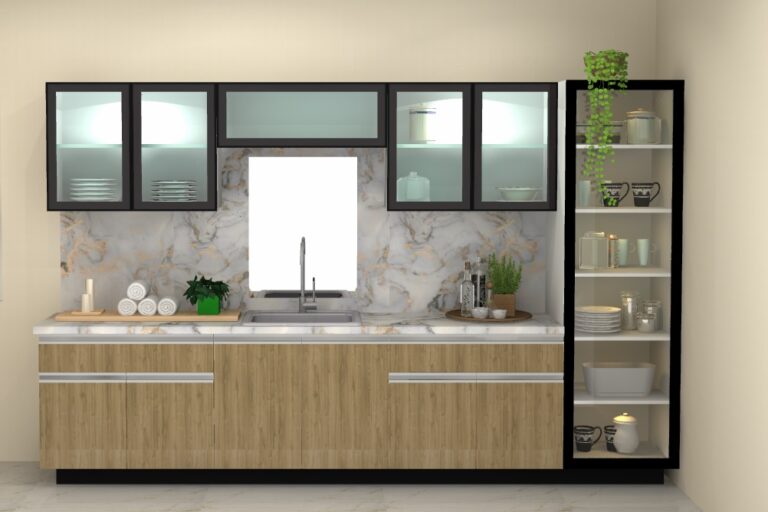
Open shelving continues to be a popular choice for modern kitchens. This trend allows homeowners to display their favorite kitchenware, plants, and decorative pieces while keeping everyday items easily accessible.

  • Practical Use: Open shelving works well in smaller kitchens, where cabinets might overwhelm the space. It can also help in creating a more airy and open atmosphere in larger kitchens.

4. Smart and Multifunctional Layouts

Modern kitchens are incorporating more multifunctional layouts to suit today’s fast-paced, multitasking lifestyles.

  • Island Workstations: Islands are no longer just for food prep; they now often include built-in appliances such as dishwashers, wine coolers, or sinks, allowing for multiple tasks to be completed simultaneously.
  • Flexible Spaces: Modular furniture and movable cabinetry allow kitchens to adapt to different needs, making them more versatile for cooking, dining, and entertaining.

Frequently Asked Questions

How do I choose the right layout for my kitchen?

The layout of your kitchen should reflect the size of the space, your cooking style, and how you plan to use the kitchen. Consider the work triangle principle, which suggests placing the sink, stove, and refrigerator at optimal distances for easy movement. Popular layouts include U-shape, L-shape, and island designs, depending on your space.

What materials are best for kitchen countertops?

Granite, quartz, and marble are popular choices for their durability and aesthetic appeal. Quartz offers low maintenance, while granite and marble add natural beauty. For a more rustic look, butcher block or concrete countertops can be used to add warmth and texture.

How can I make my kitchen more energy-efficient?

Choose Energy Star-rated appliances, use LED lighting, and install low-flow faucets to reduce energy and water consumption. Consider using insulated cabinets and energy-efficient windows to keep the space comfortable year-round.

What are the benefits of open shelving in the kitchen?

Open shelving provides easy access to items, adds a sense of openness, and allows you to display decorative items or everyday kitchen essentials. However, it requires regular cleaning and organization to avoid clutter.

How do I incorporate smart appliances into my kitchen?

Smart appliances, such as refrigerators, ovens, and dishwashers, can be controlled through smartphone apps or voice commands, offering convenience and efficiency. Look for appliances with energy-saving features, automated cooking settings, and connectivity with other smart home devices.

Renovation is more than just a process of making a space look newer—it’s about improving its functionality, increasing its value, and creating an environment that reflects your style and needs. Whether you’re renovating an entire house or just a single room, understanding the nuances of the renovation process is key to achieving a successful outcome. This guide delves into the essential aspects of renovation, from planning and budgeting to choosing the right materials and executing the project seamlessly. We will also explore the latest renovation trends and provide valuable insights on how to enhance your home’s appeal and functionality.

Understanding Home Renovation

Home renovation involves modifying or upgrading parts of a home to improve its functionality, aesthetics, and value. Renovation projects can range from minor updates like repainting walls to large-scale endeavors like structural changes or full overhauls of a property. Regardless of the size of the project, each renovation requires a clear vision, detailed planning, and strategic execution.

Types of Renovation Projects

  1. Cosmetic Renovations: These are the most common and include changes that are primarily aesthetic in nature. Examples include painting walls, updating fixtures, replacing flooring, and installing new cabinetry. Cosmetic renovations do not alter the structure of the home but can significantly enhance its appearance.
  2. Structural Renovations: These involve altering the home’s physical structure. Projects like removing walls, adding new rooms, or reinforcing foundations are part of structural renovations. Structural changes require more planning and may need professional services such as architects or engineers.
  3. Functional Renovations: These projects aim to improve the way a space functions. Installing new kitchen layouts, improving storage options, or adding smart home technologies are all functional renovations that enhance the usability of a home.
  4. Restoration Renovations: These are typically performed on historic properties to preserve their original charm and character while upgrading certain aspects to meet modern standards. Restoration involves a delicate balance of maintaining the integrity of the home while enhancing its structural and functional capabilities.

Steps in the Renovation Process

Embarking on a renovation journey requires careful planning and execution. Whether you are renovating a single room or an entire home, the process follows similar steps. Here’s an in-depth look at each phase of the renovation process.

1. Setting a Clear Goal and Budget

Before beginning any renovation, it’s essential to have a clear understanding of what you want to achieve and how much you are willing to spend. Defining your goals helps keep the project focused and ensures that all efforts contribute to the desired outcome.

  • Goal Setting: What do you want to achieve with the renovation? Is it enhancing aesthetics, improving functionality, or increasing property value? Defining your goals helps guide decisions throughout the renovation process.
  • Budgeting: Set a realistic budget based on the scope of the renovation. Be sure to account for both expected and unexpected costs, and allocate a portion of the budget for contingencies. Renovations often come with hidden costs, such as structural issues or unforeseen complications.

2. Hiring Professionals or DIY Approach

Once you have a clear goal and budget, the next step is determining whether you will handle the renovation yourself or hire professionals. While some projects can be tackled by DIY enthusiasts, others—especially structural changes or electrical and plumbing work—require skilled professionals.

  • DIY Renovations: DIY projects are suitable for tasks like painting, tiling, or installing new fixtures. However, these projects require time, skill, and tools to execute correctly. DIY renovations can save on labor costs but may be time-consuming and challenging.
  • Hiring Professionals: For more complex tasks, such as plumbing, electrical work, or structural changes, it’s wise to hire licensed professionals. Professionals bring expertise and experience to ensure that the work meets safety standards and local building codes. Consider hiring a general contractor if the renovation involves multiple types of work.

3. Designing the Space

The design phase of a renovation is where your vision comes to life. Whether you’re remodeling a kitchen, bathroom, or entire home, designing a layout that maximizes space and reflects your style is key to a successful renovation.

  • Space Planning: Maximize the use of available space while maintaining flow and functionality. Consider factors like the placement of furniture, the kitchen work triangle, or the traffic flow in an open floor plan.
  • Choosing Materials: The materials you choose will impact both the aesthetics and functionality of the space. Consider factors like durability, maintenance, and cost when selecting flooring, countertops, cabinetry, and other elements. Sustainable materials, such as reclaimed wood or energy-efficient appliances, can add value to your home.
  • Style and Aesthetic: Choose a design style that complements your personal taste and fits the existing architecture of your home. Popular styles include modern, rustic, industrial, traditional, and transitional. Use color schemes, textures, and design elements that align with the overall aesthetic.

4. Obtaining Permits and Approvals

Many renovation projects, especially those that involve structural changes or electrical and plumbing work, require permits. Failing to obtain the necessary permits can result in fines, delays, or issues when selling the property in the future.

  • Building Permits: Check with your local government to determine which permits are required for your project. A general contractor can help with this process or may take on the responsibility of acquiring permits for you.
  • Zoning and Code Compliance: Ensure that your renovation complies with local zoning laws and building codes. This ensures that the renovation is safe, legal, and up to code, preventing complications in the future.

5. Execution: Bringing the Vision to Life

Once the design is finalized and permits are in place, the renovation work can begin. This is where the planning and preparation pay off, as the space begins to transform.

  • Project Management: If you are hiring a general contractor, they will manage the day-to-day execution of the renovation. They will oversee scheduling, coordinate subcontractors, and ensure the project stays on track.
  • Timeline: A renovation project’s timeline will vary depending on its scope. While smaller cosmetic updates can be completed in a few weeks, larger renovations may take several months. Always plan for delays and ensure the project is progressing according to schedule.
  • Quality Control: During the renovation, it’s essential to regularly inspect the work to ensure that it meets your expectations and adheres to safety standards. If you are working with professionals, maintain open communication to address any issues that arise.

6. Final Touches and Clean-Up

Once the major work is completed, it’s time for the finishing touches. This phase involves adding decor, finalizing installations, and ensuring the space is ready for use.

  • Install Fixtures and Furnishings: Finalize the installation of fixtures like lighting, hardware, and appliances. Add furniture and decor elements that complement the design and make the space functional and comfortable.
  • Cleaning and Inspection: A thorough cleaning is necessary to remove dust and debris left behind during construction. Additionally, perform a final inspection to ensure that everything works properly and that the space is safe for use.

Renovation Trends to Watch

As the home renovation industry continues to evolve, several trends are shaping how homeowners approach their projects. These trends reflect shifts in design preferences, technological advancements, and sustainability concerns.

1. Sustainable and Eco-Friendly Renovations

Sustainability is a growing priority for homeowners looking to reduce their environmental impact. Eco-friendly renovations involve using sustainable materials, energy-efficient appliances, and waste-reducing strategies.

  • Energy-Efficient Features: Solar panels, energy-efficient windows, and LED lighting are increasingly incorporated into renovations to reduce energy consumption.
  • Sustainable Materials: Reclaimed wood, bamboo, and recycled materials are becoming popular choices for flooring, cabinetry, and furniture.

2. Smart Home Integration

With the rise of smart technology, many homeowners are incorporating devices such as smart thermostats, lighting, and security systems into their renovations. These systems provide convenience, energy savings, and increased home security.

  • Smart Kitchens: Smart appliances, such as refrigerators, ovens, and dishwashers, are becoming commonplace in modern kitchen renovations.
  • Automated Systems: Home automation systems can control everything from lighting and heating to home entertainment and security, offering seamless control over various aspects of the home.

3. Open Floor Plans and Multi-Use Spaces

Open floor plans continue to be a popular trend, especially for kitchens and living areas. These spaces promote a sense of connectivity and flow, making them ideal for families and entertaining.

  • Flexible Spaces: Homeowners are increasingly seeking multi-purpose rooms that can serve different functions. A guest room can double as an office, and a living room can easily transition into a dining area.

4. Minimalist and Functional Design

Minimalism is a dominant trend in both home renovations and interior design. The focus is on clean lines, simple furnishings, and uncluttered spaces that promote calm and functionality.

  • Decluttered Spaces: Renovating with minimalist principles often involves reducing excess furniture and decor, allowing for more space and a less chaotic environment.
  • Functional Design: Every element of the space should serve a purpose. Multi-functional furniture, built-in storage, and clever design solutions make the most out of the available space.

Frequently Asked Questions

How long does a home renovation typically take?

The timeline for a home renovation varies based on the scope of the project. Smaller projects, such as kitchen or bathroom updates, may take several weeks, while large-scale renovations, such as whole-house remodels, can take several months.

Do I need a permit for a renovation project?

Permits are required for many types of renovations, especially if they involve structural changes, electrical work, or plumbing. Be sure to check with your local authorities to understand the requirements for your specific project.

How can I finance my renovation?

There are several ways to finance a renovation, including home equity loans, personal loans, or refinancing your mortgage. You can also consider using credit cards for smaller, short-term projects.

How do I know if my renovation is worth the investment?

Consider the return on investment (ROI) of your renovation. Projects like kitchen and bathroom remodels typically offer higher ROI, while others, like adding a pool, may not recoup as much value.

What are the most popular renovation projects?

Some of the most popular renovation projects include kitchen and bathroom remodels, basement finishing, adding a deck or patio, and energy-efficient upgrades like new windows or insulation.