

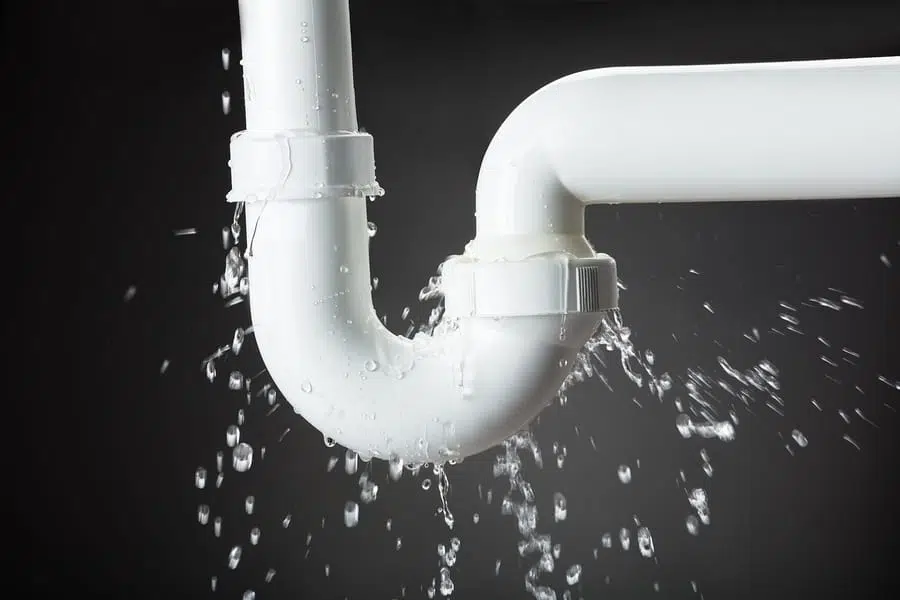
So, picture this: there’s a tiny drip under the kitchen sink. It doesn’t seem like a big deal. The cabinet might be a little damp, but the water’s not gushing, so it feels easy to ignore. But that drip? It could be the start of a much bigger problem—and one that could cost way more to fix than just a new pipe.
Even small amounts of water can cause major damage if left alone for too long. And the worst part? Most of the time, you don’t see the full damage until it’s already spread.
Small Leaks Never Stay Small
Water always finds a way. It can sneak into walls, under floors, behind appliances, and into places no one checks very often. A leak the size of a pencil tip can soak through drywall, rot wood, and mess with electrical wiring without showing much on the surface.
That’s what makes small leaks so tricky. They usually start where they can’t be seen—inside a wall, under a floorboard, or behind a cabinet. And once water gets in, it doesn’t stay put. It spreads.
In situations like this, getting help from professionals who specialize in things like water damage restoration can make a huge difference. They have the tools to spot hidden damage and stop it from getting worse.
Why Waiting Makes Everything Worse
It’s easy to put off fixing something that doesn’t seem urgent. But when it comes to water, time is a big deal. The longer moisture sits, the more damage it can do.
Here’s what happens when water hangs around:
- First few hours: Water seeps into whatever’s nearby—wood, carpet, drywall, and anything absorbent.
- Within 24 to 48 hours: Mold starts growing. That weird smell? It’s mold spores already setting up.
- After a few days: Wood starts warping and drywall may crumble. Metal parts like screws and pipes can rust or weaken.
- After a week or more: The structure of the house could be at risk. That’s not just expensive to fix—it’s dangerous.
So even if the leak looks small, the damage behind the walls could be way bigger.
Mold Is the Sneaky Troublemaker
Mold doesn’t need a flood to start growing. All it needs is a little bit of moisture and time. It can grow on drywall, wood, carpet, insulation—even dust. And once it starts, it spreads fast.
Mold is more than just gross to look at. It can make people sick, especially those with asthma or allergies. The worst part is, mold often hides inside walls or under floors where no one sees it until it’s out of control.
Stopping a leak quickly means stopping mold before it has the chance to grow. And if mold has already started? That’s when professionals need to step in and remove it safely.
Floors, Walls, and Everything In Between
Even if the leak is cleaned up on the surface, the damage underneath could still be there. Water can get trapped under tiles or between layers of wood flooring. Over time, that causes warping, swelling, or soft spots.
Walls are just as vulnerable. Drywall soaks up water quickly but doesn’t dry easily. That’s why water-damaged walls might start to bubble or crack. In serious cases, they can even collapse.
If water touches anything electrical, that’s another problem. Wiring can short out, and if the moisture sticks around, it could lead to electrical fires. It’s not just about cleaning—it’s about safety, too.
When DIY Isn’t Enough
There’s nothing wrong with using towels or a mop when a leak happens. But for anything more than a small spill, that’s not always enough. Water hides. That’s the tricky part.
Even if everything looks dry, moisture could still be trapped in the materials of the home. That’s why using fans or opening windows isn’t always the fix. Professionals have moisture meters, infrared cameras, and special drying equipment to find and fix what’s hiding.
Trying to handle major water damage without the right tools can lead to bigger issues later. Sometimes, doing it yourself actually makes the problem worse—especially if mold or hidden damage gets missed.
Signs There’s a Hidden Leak
Not all water damage is obvious. Sometimes the signs are small, but they still matter. Things to watch for:
- A musty smell that doesn’t go away
- Paint bubbling or peeling
- Flooring that feels soft or bouncy
- Spots on the ceiling or walls
- Higher water bills without a clear reason
Even if these seem minor, they could mean water is sitting somewhere it shouldn’t be.
It’s Not Just About the House
When water damage gets bad, it affects more than just wood and drywall. It can ruin furniture, books, clothes, and electronics. In some cases, people even have to leave their homes during repairs.
Plus, fixing water damage after it spreads can be way more expensive than dealing with a small leak early on. Replacing floors or walls isn’t cheap. And mold removal or electrical fixes? That’s even more costly.
The best way to avoid all that? Don’t wait. Small leaks don’t go away. They grow.
What You Can Do Right Now
Here’s how to stay ahead of the problem:
- Check under sinks and behind appliances every month or so. Look for drips, puddles, or soft spots.
- Pay attention to smells. If it smells musty, there might be hidden moisture or mold.
- Fix leaks quickly. Even if they seem small, get them checked out.
- Don’t rely on just drying the surface. Make sure the area is fully dry underneath too.
Being careful now can save a ton of time, money, and stress later.
Quick Summary
A little leak might not seem like a big deal, but ignoring it can cause serious problems fast. Water spreads quickly and hides where it can’t be seen—damaging walls, floors, and even the structure of a home. On top of that, it creates the perfect environment for mold and other health risks.
Fixing things early, even small leaks, is the safest and smartest move. It’s not just about avoiding mess—it’s about keeping the home safe and strong.
If you’ve ever wondered whether that slow drip matters, the answer is yes. It always matters.

Comments are closed.