Archive

July 2025

Browsing

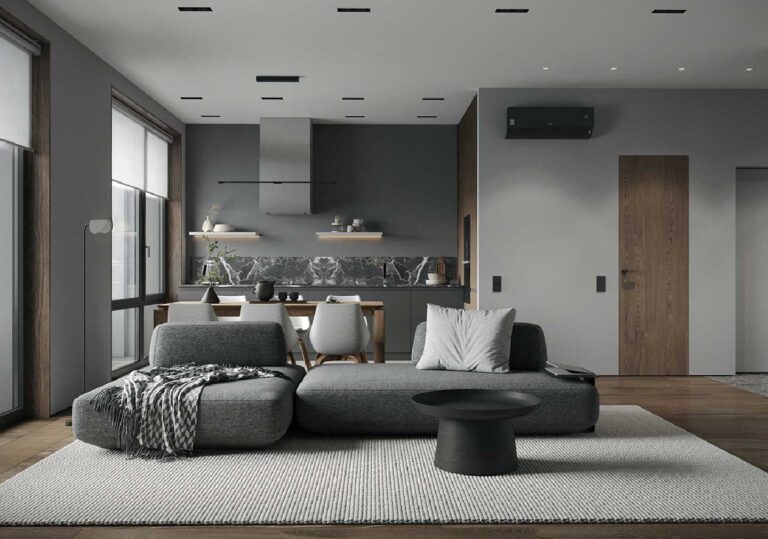
Interior design is an art form that involves more than just arranging furniture and choosing colors—it is about creating environments that blend style with functionality. The goal is to enhance the quality of life and culture of the occupants by improving the aesthetic appeal and usability of the space. Whether you’re designing a home, office, or commercial space, understanding the principles of interior design, selecting the right materials, and incorporating the latest trends is crucial to creating a harmonious and functional environment. This comprehensive guide explores the critical elements of interior design, from foundational principles to innovative trends shaping modern spaces.

The Principles of Interior Design

At the core of successful interior design lie several key principles that guide the creation of well-balanced and aesthetically pleasing spaces. These principles help designers achieve harmony, cohesion, and functionality in their designs.

1. Balance: Creating Visual Stability

Balance in interior design refers to the distribution of visual weight in a space. It ensures that no area of the room feels too heavy or empty, creating a sense of equilibrium. There are three primary types of balance used in interior design:

  • Symmetrical Balance: This is when elements are evenly distributed around a central point. It’s often used in formal designs and works well in spaces like living rooms or entryways where structure is desired.
  • Asymmetrical Balance: This type of balance uses different objects that are of equal visual weight to create a more dynamic and informal feel. It works well in modern and eclectic interiors.
  • Radial Balance: In this arrangement, elements are arranged around a central point. This type of balance can be seen in designs like circular dining tables or spiral staircases.

2. Proportion and Scale: The Right Size and Fit

Proportion and scale are essential to creating a sense of harmony within a space. Proportion refers to the relationship between the size of elements within the room, while scale refers to how the size of an object relates to the room itself.

  • Proportion: Ensuring that the size of furniture and decor fits the scale of the room is critical. For example, placing a large sectional sofa in a small living room can overwhelm the space, while too small furniture may make the room feel sparse.
  • Scale: This refers to the relative size of an object in comparison to other objects or the room. Large furniture in a small room can make the space feel cramped, while appropriately sized pieces will allow for better flow and functionality.

3. Rhythm: Creating a Flow

Rhythm in interior design is the visual movement that occurs as the eye moves from one element to another. Rhythm is created by repeating colors, patterns, shapes, or textures throughout the space.

  • Repetition: Using similar patterns or colors in different parts of a room can create a sense of flow and unity.
  • Progression: Gradually changing sizes, colors, or shapes, such as transitioning from light to dark tones, helps guide the eye through the space.
  • Transition: Smooth transitions, like curved furniture or soft edges, create a gentle flow from one area to another, providing visual interest and comfort.

4. Harmony: A Unified Design

Harmony in interior design means creating a unified and cohesive environment where all the elements work together. It is achieved by using complementary colors, shapes, and materials that support the overall design theme.

  • Color Harmony: Using colors that complement each other (for example, warm tones with cool tones) or staying within a certain color palette creates visual cohesion in the space.
  • Material Harmony: Blending different textures—such as wood, metal, and fabric—can provide contrast while maintaining a sense of unity if done correctly.

5. Emphasis: Focal Points of the Space

Every space benefits from a focal point—something that draws the eye and anchors the design. Focal points create visual interest and ensure that the room doesn’t feel too busy or overwhelming.

  • Creating a Focal Point: Common focal points include fireplaces, artwork, large windows, or a statement piece of furniture. The design elements surrounding the focal point should complement it without competing for attention.

Essential Elements of Interior Design

The success of an interior design project is influenced by the careful selection and integration of various elements that make up the space. These elements work together to create a functional and visually pleasing environment.

1. Furniture: Functionality and Style

Furniture is one of the most significant elements of interior design. The right pieces not only enhance the style of a room but also ensure comfort and functionality.

  • Comfort: The choice of furniture should prioritize comfort, especially in spaces like the living room or bedroom. Upholstered furniture, such as sofas and armchairs, should be both stylish and comfortable for everyday use.
  • Functionality: In smaller spaces, multifunctional furniture is a must. For instance, a sofa that converts into a bed or a dining table with storage can maximize the utility of the room without overcrowding.
  • Aesthetic Appeal: Furniture should reflect the style of the room, whether it’s mid-century modern, rustic, or minimalist. Each piece should align with the color scheme, materials, and design principles of the space.

2. Color: Setting the Mood

Color is one of the most powerful tools in interior design. It sets the tone of the space and affects the mood and emotions of the people in it. Different colors evoke different feelings and should be chosen carefully based on the intended atmosphere.

  • Warm Colors: Red, orange, and yellow evoke energy, warmth, and intimacy. These colors are ideal for living rooms and dining areas.
  • Cool Colors: Blue, green, and purple create a calm and relaxing atmosphere, making them perfect for bedrooms and bathrooms.
  • Neutral Colors: Shades of white, gray, beige, and taupe provide a versatile base for any design style and allow other elements to stand out.

3. Lighting: Enhancing Ambiance and Function

Lighting is crucial in interior design, both for its aesthetic appeal and its functional purposes. The right lighting enhances the overall design of the space, creates mood, and makes the room feel welcoming.

  • Ambient Lighting: This is the general lighting that illuminates the entire room. Ceiling lights, chandeliers, and recessed lighting are common examples.
  • Task Lighting: Used for specific tasks, task lighting is more focused and includes desk lamps, kitchen task lights, and reading lights.
  • Accent Lighting: Accent lights highlight features like artwork, sculptures, or architectural details. Spotlights and track lighting are commonly used for this purpose.

4. Texture and Materials: Adding Depth

Texture and materials are important in creating a tactile experience and depth in a room. The combination of soft and hard textures adds richness to the design, making the space feel more dynamic.

  • Soft Textures: Fabrics such as velvet, cotton, and wool used in upholstery, rugs, and cushions provide a sense of warmth and comfort.
  • Hard Textures: Materials like wood, metal, glass, and stone add structure, sophistication, and a sense of permanence to the space.

5. Accessories: The Final Touches

Accessories are the finishing touches that complete the design. While they may seem small, they can make a significant impact on the overall feel of the space.

  • Artwork and Mirrors: These can serve as focal points or decorative elements, reflecting light and adding personality to the room.
  • Rugs and Throw Pillows: Soft furnishings such as rugs and cushions add comfort and texture while enhancing the color palette.
  • Plants: Indoor plants add a touch of nature, improving air quality and providing a refreshing pop of color.

Trends in Interior Design

As interior design evolves, new trends emerge that reflect changes in technology, culture, and personal preferences. Some current trends shaping the interior design landscape include:

1. Sustainable Design

Sustainability is at the forefront of interior design, with a focus on using eco-friendly materials, energy-efficient lighting, and sustainable furniture. Incorporating renewable resources, such as bamboo or reclaimed wood, and reducing waste are important aspects of creating a sustainable home.

2. Minimalism

Minimalism continues to be a dominant trend in interior design, emphasizing clean lines, uncluttered spaces, and functional furniture. This design approach favors simplicity and efficiency, with a focus on quality rather than quantity.

3. Biophilic Design

Biophilic design incorporates natural elements into indoor spaces to create a stronger connection to nature. This can include the use of natural materials, large windows for natural light, and incorporating indoor plants to improve air quality and enhance well-being.

4. Smart Homes

Technology is becoming increasingly integrated into home design, with smart lighting, temperature control, and security systems becoming common features. Home automation allows for enhanced comfort, convenience, and energy efficiency.

Frequently Asked Questions

What are the key elements of a successful interior design?

The key elements of successful interior design include balance, proportion, rhythm, harmony, and emphasis. Each element contributes to the overall cohesion, functionality, and aesthetic appeal of the space.

How do I choose the right color for my home?

Consider the mood you want to create in each room. Use warm colors for energy and intimacy, cool colors for calmness, and neutral tones for versatility. Test colors in different lighting conditions to see how they will look in your space.

How do I make my small space feel larger?

In smaller spaces, use light colors to create the illusion of openness, incorporate multifunctional furniture, and add mirrors to reflect light and create depth. Keep the space uncluttered to maintain a sense of openness.

What are some eco-friendly materials for interior design?

Eco-friendly materials include bamboo, reclaimed wood, cork, and recycled glass. These materials are sustainable, durable, and provide a natural aesthetic for interior design projects.

How do I incorporate technology into my interior design?

Smart technology, such as voice-activated lighting, smart thermostats, and automated security systems, can be integrated into the design to enhance convenience and energy efficiency without compromising the aesthetic of the space.
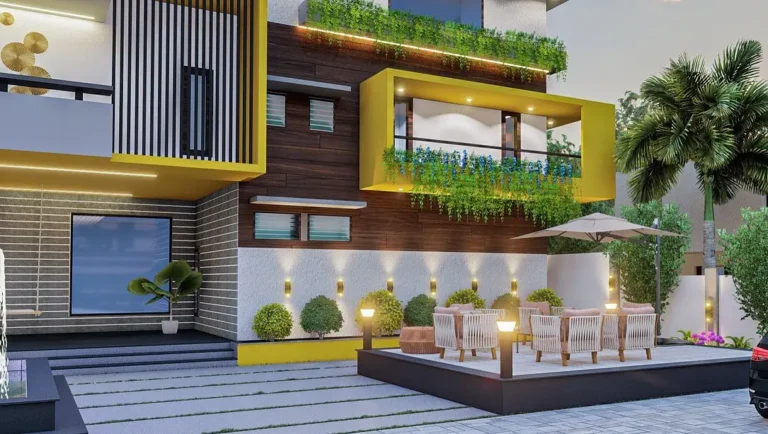
The exterior of a building plays a crucial role in defining its aesthetic appeal, functionality, and longevity. Whether it’s a home, a commercial building, or a public space, the exterior design can dramatically influence first impressions, enhance curb appeal, and contribute to environmental sustainability. In this comprehensive guide, we will explore the essential elements of exterior design, from the materials and design principles to the latest trends shaping outdoor spaces.

The Importance of Exterior Design

Exterior design goes beyond aesthetics; it is an essential component that influences a building’s structural integrity, energy efficiency, and overall functionality. The exterior serves as the first line of defense against the elements, protecting the interior from harsh weather conditions while providing a welcoming and visually appealing facade.

Curb Appeal and Aesthetic Impact

The exterior design of a building significantly impacts its curb appeal. A well-thought-out exterior can make a house or building stand out in a neighborhood, while a poorly designed exterior can detract from its value. Design elements like color, texture, and landscaping play an essential role in creating a visually pleasing environment.

Durability and Protection

The exterior of a structure is constantly exposed to the elements—rain, snow, wind, and UV rays—so durability is crucial. Exterior materials must withstand weathering, temperature fluctuations, and physical wear over time to protect the interior of the building. Well-chosen materials ensure that the exterior continues to perform effectively while retaining its aesthetic qualities.

Energy Efficiency and Sustainability

With increasing awareness of environmental issues, many exterior designs now prioritize energy efficiency. Proper insulation, reflective roofing, and sustainable materials can help reduce a building’s energy consumption, contributing to a greener future. Moreover, exterior design plays a role in optimizing natural light, which reduces the need for artificial lighting and improves the overall energy efficiency of the building.

Key Elements of Exterior Design

Exterior design incorporates multiple elements that work together to create a cohesive look while enhancing the building’s performance. The following are the key components of a successful exterior design:

1. Materials: Aesthetic Appeal and Longevity

The materials used in exterior design are a primary factor in determining the building’s durability, maintenance needs, and overall aesthetic. Different materials offer unique qualities that can suit various architectural styles.

  • Brick: Brick is a timeless exterior material that provides strength, durability, and low maintenance. It is resistant to weathering and can add a traditional, classic appeal to buildings. Brickwork can also contribute to excellent insulation, helping to maintain a comfortable interior temperature.
  • Wood: Wood offers a natural, warm aesthetic and is commonly used in residential exteriors. However, it requires proper maintenance to prevent rot and insect infestation. Advances in treated and engineered wood have made it more durable, and it can be used in a range of design styles, from rustic to modern.
  • Stone: Natural stone, such as granite, limestone, or slate, is used in both contemporary and traditional designs. It’s known for its long-lasting durability, withstanding harsh weather conditions. Stone exteriors also provide excellent insulation and a luxurious aesthetic.
  • Metal: Modern architectural designs increasingly feature metal exteriors, including steel, aluminum, and zinc. Metal exteriors are often sleek and minimalist, with high resistance to the elements and low maintenance. They are especially popular for commercial buildings, industrial designs, and modern homes.
  • Siding: Vinyl, fiber cement, and composite siding are some of the most common options for residential homes. These materials are affordable, low-maintenance, and come in various colors and textures. They offer protection against the elements and can be easily customized.

2. Roofing: Function and Style

The roof is one of the most critical components of the exterior, serving as the first line of defense against weather elements and contributing to the building’s overall aesthetic. Choosing the right roofing material and style is essential for both protection and design.

  • Asphalt Shingles: Asphalt is one of the most popular roofing materials, particularly for residential buildings. It is cost-effective, durable, and comes in a variety of colors. Modern asphalt shingles are often designed with energy efficiency in mind, with reflective coatings to reduce heat absorption.
  • Metal Roofing: Metal roofs have become increasingly popular due to their durability and energy efficiency. These roofs are resistant to extreme weather conditions and provide excellent insulation. They are available in various styles, including standing seam and corrugated panels, and can be coated with reflective materials to improve energy performance.
  • Clay or Concrete Tiles: Common in Mediterranean or Spanish-style homes, clay and concrete tiles are durable and offer a unique aesthetic. These materials are excellent at regulating temperature and are often chosen for their high durability and visual appeal.
  • Green Roofs: A growing trend in sustainable design is the use of green roofs. These roofs are covered with vegetation, which helps to reduce energy consumption, improve air quality, and promote biodiversity. Green roofs are particularly beneficial for urban areas where green space is limited.

3. Windows and Doors: Enhancing Functionality and Style

Windows and doors are integral to the exterior design, offering not only functional purposes like light and ventilation but also contributing to the overall style of the building.

  • Windows: The size, shape, and material of windows significantly influence the design of the exterior. Large, expansive windows are often used in modern designs to bring in natural light and create an open, airy feel. In contrast, smaller windows with traditional frames are common in more classic or cottage-style homes.
  • Energy-Efficient Windows: Double or triple-glazed windows with low-emissivity (Low-E) coatings help reduce energy loss, improving a building’s energy efficiency. These windows minimize heat transfer, ensuring a comfortable indoor environment while lowering heating and cooling costs.
  • Doors: Entry doors come in various materials, including wood, fiberglass, and steel. The design of the door can reflect the overall style of the building, from grand, oversized doors in classical homes to sleek, minimalist doors in contemporary designs.
  • Sliding and Bi-Fold Doors: Popular in modern designs, sliding and bi-fold doors create a seamless transition between indoor and outdoor spaces. These doors are often used in homes with patios or terraces, enhancing natural light and providing expansive views.

4. Landscaping: Complementing the Exterior Design

Landscaping plays a critical role in enhancing the exterior’s curb appeal. Thoughtfully designed outdoor spaces can complement the architecture of the building and create an inviting atmosphere.

  • Hardscaping: The use of non-plant elements such as patios, walkways, retaining walls, and outdoor kitchens can elevate the exterior design. Materials such as stone, brick, or concrete are commonly used in hardscaping.
  • Softscaping: Planting trees, shrubs, flowers, and grass softens the appearance of the exterior. Landscaping can be designed to provide privacy, reduce noise, or create a serene environment. Native plants are often preferred as they require less water and maintenance.
  • Lighting: Outdoor lighting enhances the safety and aesthetic appeal of a property. Pathway lights, wall-mounted sconces, and spotlights can highlight architectural features and create a welcoming ambiance in the evenings.

5. Sustainability and Green Design: Eco-Friendly Exterior Choices

As environmental concerns continue to rise, sustainable exterior design has become a key consideration. Eco-friendly exterior materials and design features contribute to energy efficiency and environmental responsibility.

  • Energy-Efficient Design: Incorporating energy-efficient elements like insulated windows, reflective roofing materials, and sustainable cladding options can help reduce energy consumption. Green design principles, such as passive solar heating and natural ventilation, can also enhance the building’s environmental performance.
  • Recycled and Sustainable Materials: Using recycled materials or materials that have a low environmental impact, such as bamboo or reclaimed wood, can reduce the carbon footprint of construction. These materials are both eco-friendly and visually appealing.
  • Water Conservation: Efficient irrigation systems, rainwater harvesting, and drought-tolerant landscaping can help conserve water and reduce the environmental impact of a property’s exterior.

Exterior Design Trends for 2025 and Beyond

As technology, design aesthetics, and environmental concerns continue to evolve, so too do the trends in exterior design. Some notable trends for 2025 include:

  • Sustainable Architecture: With increasing awareness of environmental issues, green and sustainable design will continue to be a driving force in exterior design. Buildings will feature more energy-efficient materials, water-saving technologies, and green roofs.
  • Smart Homes: The integration of smart technology into the exterior is becoming more common. From automated lighting systems to energy-efficient climate control systems, smart homes offer increased convenience and energy savings.
  • Minimalist and Modern Designs: Clean lines, neutral color palettes, and an emphasis on simplicity will continue to dominate exterior design. Many homeowners are opting for sleek, contemporary aesthetics, focusing on functionality and understated elegance.

Frequently Asked Questions

What is the most durable exterior material?

Materials such as stone, brick, and metal are among the most durable for exterior design. These materials can withstand harsh weather conditions and require minimal maintenance over time.

How can I make my home’s exterior more energy-efficient?

Energy-efficient windows, reflective roofing materials, and well-insulated walls can significantly improve a building’s energy efficiency. Additionally, landscaping features like shade trees can reduce heat absorption and lower cooling costs.

What are the benefits of using green roofs?

Green roofs provide insulation, reduce stormwater runoff, improve air quality, and contribute to biodiversity. They are also an aesthetically pleasing addition to modern buildings, helping to integrate nature into urban environments.

What exterior design trends are emerging for the future?

Sustainability and smart home integration are the key trends shaping the future of exterior design. Additionally, minimalist aesthetics and eco-friendly materials will continue to be at the forefront of modern exterior design.

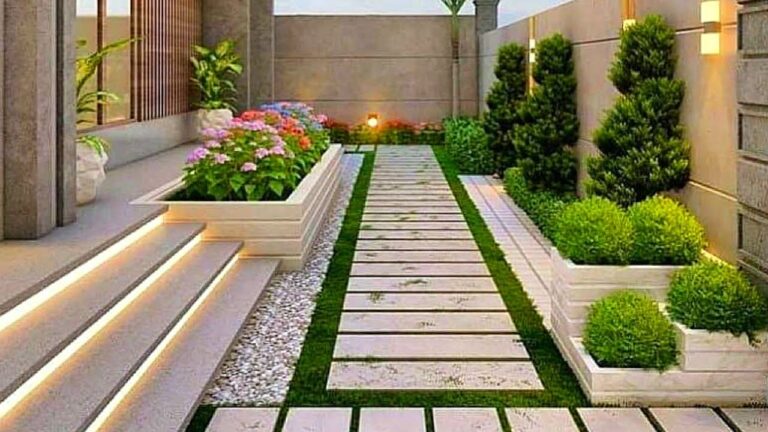
Gardens are more than just a collection of plants; they are a reflection of the environment, culture, and personal style of the homeowner. Whether it’s a sprawling backyard garden or a small urban oasis, the design and upkeep of a garden play a vital role in enhancing the aesthetic value of any property. Beyond beauty, gardens offer numerous benefits, from providing a space for relaxation to promoting sustainability. This article dives deep into the multifaceted world of garden design, covering essential aspects such as design principles, plant selection, and garden sustainability to help you create a garden that is not only visually stunning but also functional and environmentally friendly.

The Importance of Garden Design

A well-designed garden is more than just a visual pleasure—it is a space that can enhance the living experience. A garden offers various benefits, including enhancing property value, promoting well-being, and contributing to environmental health.

Enhancing Curb Appeal

The first impression of a property often comes from its garden. A thoughtfully designed garden boosts curb appeal, making the property more inviting and aesthetically pleasing. Whether through lush greenery, colorful flowers, or well-maintained hedges, the exterior of a home can be dramatically transformed by a well-planned garden.

Promoting Physical and Mental Health

Gardens provide a peaceful environment for relaxation and can also serve as spaces for physical activity such as gardening, walking, or yoga. Studies have shown that spending time in green spaces reduces stress, improves mood, and boosts overall well-being. Additionally, gardening itself offers the physical benefits of outdoor exercise and connection with nature.

Environmental Benefits

A garden is not only beneficial to its owner but also plays an important role in enhancing local biodiversity and supporting environmental sustainability. Well-designed gardens can contribute to reducing the urban heat island effect, improving air quality, and promoting water retention through the use of native plants and sustainable design practices.

Essential Principles of Garden Design

Designing a garden requires a thoughtful approach to ensure that every element contributes to the overall aesthetic and functionality. Several key principles guide successful garden design:

1. Balance and Symmetry

Balance refers to the visual weight of different elements in a garden. Achieving balance means distributing elements evenly so that no part of the garden feels too heavy or too sparse. Symmetry often plays a role in formal gardens, where identical elements are placed on either side of a central axis.

  • Formal Gardens: Symmetrical arrangements, such as matching hedges, fountains, or pathways, are often used in formal garden designs. These gardens feature geometric shapes and structured layouts, creating a sense of order and harmony.
  • Informal Gardens: In contrast, informal gardens embrace asymmetry. Natural curves, mixed plantings, and unstructured pathways contribute to a relaxed, organic feel that mimics the randomness found in nature.

2. Proportion and Scale

The scale of the garden should relate to the size of the property and the surrounding environment. For example, a large garden can accommodate grand structures like pergolas, fountains, or large trees, while a smaller garden might benefit from compact, low-maintenance plants and furniture.

  • Small Gardens: In smaller spaces, using proportionate features is essential to avoid overcrowding. Planting low-growing shrubs and small ornamental trees can create a sense of height and space, even in compact areas.
  • Large Gardens: Larger gardens allow for greater diversity in plant selection and the incorporation of hardscape features like pathways, seating areas, and decorative sculptures.

3. Unity and Harmony

A unified garden design ensures that all elements work together cohesively. Unity can be achieved through consistent use of materials, colors, textures, and plant varieties that complement each other.

  • Material Consistency: Whether it’s natural stone, wood, or modern concrete, maintaining consistency in the materials used for hardscaping elements like paths, walls, and fences ensures a cohesive look throughout the garden.
  • Plant Harmony: Select plants with colors, shapes, and textures that complement each other. Grouping plants with similar water and light requirements ensures they thrive together and contribute to a harmonious visual effect.

4. Rhythm and Repetition

Rhythm in garden design refers to the repetition of certain elements to create a sense of movement. This could be the repetition of plants, materials, or design motifs. Rhythm provides flow and continuity throughout the garden, leading the eye from one area to another.

  • Planting Patterns: Repeating the same type of plant in clusters or along paths creates rhythm. For example, rows of similarly colored flowers or hedges lead the eye toward focal points and add to the flow of the design.
  • Hardscaping: Repeating materials like gravel, stone, or wood for borders and pathways can also establish rhythm, making the space feel cohesive.

Key Components of Garden Design

A garden design comprises various components, both natural and man-made, that contribute to its overall appeal. These include plant selection, hardscaping, water features, and outdoor structures.

1. Plant Selection

Selecting the right plants is one of the most critical decisions in garden design. The right plantings can enhance the garden’s aesthetic appeal, attract wildlife, and support a sustainable environment. Here’s how to approach plant selection:

  • Climate and Soil Conditions: Understanding the climate zone and soil type of your garden area is essential for selecting plants that will thrive. Native plants are often ideal, as they are adapted to the local environment and require less water and maintenance.
  • Color Schemes and Bloom Times: Choose plants that complement each other in terms of color and bloom times. A garden with a variety of plants that bloom at different times of the year ensures continuous visual interest and provides year-round appeal.
  • Maintenance Requirements: Some plants require more care than others. It’s important to balance high-maintenance plants with low-maintenance varieties to create a manageable garden that doesn’t overwhelm the gardener.

2. Hardscaping Elements

Hardscaping includes all the non-plant elements in the garden, such as paths, patios, walls, fences, and outdoor structures. These elements provide structure, functionality, and aesthetic appeal to the garden.

  • Paths and Walkways: Paths guide visitors through the garden and create a sense of flow. They can be made from various materials such as stone, brick, gravel, or wood, and should be designed with the garden’s style and purpose in mind.
  • Outdoor Furniture and Structures: Pergolas, gazebos, and outdoor seating areas enhance the usability of a garden, offering spaces for relaxation and entertainment. Choosing materials that complement the garden’s aesthetic ensures these structures blend seamlessly into the design.
  • Garden Walls and Fences: Walls and fences provide privacy, security, and a sense of enclosure. They can be made from wood, metal, stone, or even living plants like ivy or climbing roses.

3. Water Features

Water features like ponds, fountains, and streams can significantly enhance the ambiance of a garden. The sound of flowing water can add a peaceful, calming effect to the space, while visual features like reflecting pools create a focal point.

  • Ponds and Water Gardens: Ponds provide a natural habitat for aquatic plants and wildlife, while water gardens create an aesthetic and tranquil focal point in the garden.
  • Fountains and Streams: Fountains create visual interest and provide soothing sounds. Small streams and waterfalls add movement to the garden and can be designed to complement the natural landscape.

4. Lighting

Lighting is an essential part of garden design, particularly if the space is to be used after dark. Proper lighting can highlight specific features, improve security, and create an inviting atmosphere.

  • Pathway Lights: These lights provide illumination for walkways and help guide visitors through the garden. Solar-powered lights are a sustainable option.
  • Accent Lighting: Spotlights and uplights can highlight trees, sculptures, or other garden features, creating visual drama and enhancing the space at night.
  • Ambient Lighting: Soft, diffused lighting provides an overall glow, making the garden a pleasant place to relax during the evening.

Sustainable Garden Design

Sustainability is an increasingly important consideration in garden design. Sustainable gardening practices conserve resources, promote biodiversity, and minimize the environmental impact of garden maintenance.

  • Native Plants: Using native plants reduces the need for water, fertilizers, and pesticides. Native plants also support local wildlife, such as birds, butterflies, and bees.
  • Rainwater Harvesting: Collecting and using rainwater for irrigation helps conserve potable water resources and reduces reliance on municipal water systems.
  • Composting: Composting organic waste from the garden not only reduces waste but also provides nutrient-rich soil for plants, reducing the need for chemical fertilizers.

Frequently Asked Questions

What are the best plants for a low-maintenance garden?

Some low-maintenance plants include succulents, lavender, hostas, ornamental grasses, and daylilies. These plants require minimal watering, pruning, and care, making them ideal for busy gardeners.

How can I create a garden that attracts wildlife?

Planting a variety of native plants, providing water sources like birdbaths or ponds, and incorporating shelters like birdhouses or bee hotels will attract beneficial wildlife such as birds, pollinators, and insects.

What are some sustainable gardening practices?

Sustainable practices include using native plants, implementing water-efficient irrigation, composting, and reducing chemical use by opting for organic fertilizers and pest control methods.

How do I choose the right outdoor furniture for my garden?

When selecting outdoor furniture, consider durability, weather resistance, and comfort. Materials like teak, aluminum, and resin wicker are popular for their ability to withstand outdoor conditions while complementing various garden styles.

How do I incorporate lighting into my garden design?

Lighting should be used strategically to highlight key garden features, create ambiance, and provide safety. Pathway lights, accent lighting, and ambient lighting can all be incorporated to enhance the garden’s functionality and beauty at night.