

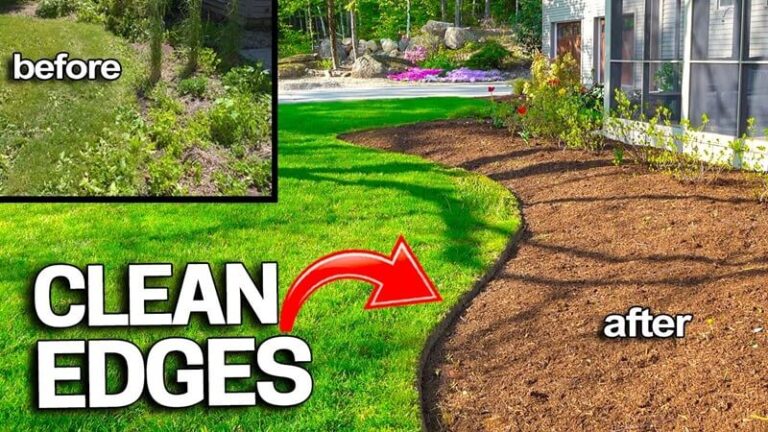
A messy yard can happen faster than most people expect. One week everything looks fine, and the next, the grass is knee-high, branches are hanging low, and weeds have taken over. The good news is that getting things back under control doesn’t have to be complicated. With the right approach and a bit of consistency, it’s possible to keep an outdoor space looking neat without it eating up every spare moment.
Start by Clearing the Bigger Obstacles
Before worrying about the smaller details, it’s important to deal with anything that’s taking up a lot of space or making the yard harder to work in. Fallen branches, tangled shrubs, and overgrown hedges can make even a small yard feel unmanageable. This is where having the right cutting tools really pays off. For heavier jobs, a quality electric chain saw can be a huge help, especially when trimming thick branches or cutting fallen wood into manageable pieces.
Clearing these larger items first opens up the space, making it easier to mow, edge, and tidy up everything else. It also means there’s less risk of damaging smaller tools on hidden branches or debris.
Keep the Grass at a Consistent Height
One of the simplest ways to make a yard look cared for is to keep the grass even. When grass grows too tall, it starts to bend and lose its healthy green look. Mowing regularly—about once a week during peak growth—keeps it thick and even. The key is not to cut it too short. Leaving it just a bit longer helps the roots stay strong and prevents weeds from sneaking in.
It’s also worth paying attention to mower blade sharpness. Dull blades tear grass instead of cutting it cleanly, leaving brown tips that make a lawn look patchy. A quick blade check a few times a season can keep the cut smooth and the grass healthier.
Stay Ahead of Weeds Before They Spread
Weeds have a way of showing up everywhere—between paving stones, in garden beds, and across the lawn. The trick is to catch them early. Hand-pulling or using a small weeding tool works for isolated patches, but for larger areas, it helps to mow or trim before they flower and spread seeds.
Mulching around plants and trees is another easy prevention method. A layer of mulch not only keeps soil moist but also blocks sunlight from reaching weed seeds. This means fewer weeds to pull later on and less bending over to keep the garden beds tidy.
Trim Edges for a Sharp, Finished Look
Even a well-mowed lawn can look a little untidy if the edges aren’t maintained. Grass that creeps over walkways, driveways, and flower beds can make the whole space feel less cared for. Using an edger or string trimmer along borders creates a crisp line that makes the entire yard look more polished.
It’s a small detail, but it can have a big impact. Doing it right after mowing means the yard looks freshly finished, with no stray blades or uneven spots.
Keep Trees and Shrubs in Shape
Trees and shrubs are great for adding shade and structure to a yard, but if they’re left alone for too long, they can block light, drop extra debris, and grow into awkward shapes. Light pruning a few times a year keeps them healthy and looking balanced.
When trimming larger limbs, it’s safer to work from the ground using the right tools rather than climbing. For high branches, a pole saw or a chainsaw designed for homeowner use can make the job much easier and safer.
Don’t Forget Seasonal Cleanups
Yards change with the seasons, and different times of year bring different challenges. In spring, there’s usually a lot of debris from winter storms to clear. Summer calls for more frequent mowing and watering. Fall means leaves piling up, and winter might require protecting certain plants.
Doing a quick seasonal checklist helps keep things from building up. Removing dead plants before winter, raking leaves before they get soggy, and clearing gutters can prevent bigger problems later.
Use Storage to Stay Organized
A tidy yard is easier to maintain when tools are easy to find. A small shed, garage space, or even a weatherproof storage box can keep mowers, trimmers, and garden tools protected from the elements.
Good storage also means tools last longer, stay in better condition, and are ready to use when needed. It’s frustrating to start a job and realize a tool has gone rusty or the handle is cracked simply because it was left out in the rain.
Break Big Jobs into Smaller Sessions
Not every yard task needs to be done in one go. Breaking bigger jobs into smaller pieces makes them more manageable and less overwhelming. For example, one day could be for mowing and edging, another for pruning, and another for weeding.
This approach also keeps the yard looking consistently cared for instead of swinging between neat and neglected. A little bit of work spread out over the week feels easier than tackling everything at once.
Focus on the Areas People See Most
If time is short, it helps to concentrate on the areas that make the biggest visual impact. The front yard, main walkway, and any outdoor seating areas are usually the first things people notice. Keeping these zones neat, even if other parts of the yard aren’t perfect, still makes the whole property feel well maintained.
This doesn’t mean ignoring the rest of the yard forever—just rotating focus so each section gets attention over time without creating a constant rush to do everything.
Keep It Up Once It’s Under Control
The hardest part of yard care is often getting it from messy to manageable in the first place. Once that’s done, the best thing is to stay consistent. A quick weekly routine can keep it from sliding back into overgrown chaos.
Regular mowing, trimming, and debris pickup can often be done in under an hour for most average-sized yards. The more often it’s done, the faster it gets, because there’s less buildup to deal with each time.
Final Takeaway
A well-kept yard isn’t about working outside all day every weekend. It’s about having a simple, steady routine and using the right tools for the job. Starting with the big obstacles, keeping grass and edges neat, staying ahead of weeds, and doing light seasonal cleanups makes the work easier and the results more noticeable. Once things are under control, maintenance becomes quick and far less stressful, leaving more time to enjoy the space instead of just working on it.