

Why Property Restoration Matters
Owning a property comes with many responsibilities, from daily upkeep to addressing unexpected damages. Natural disasters, water leaks, mold growth, and fire incidents can cause significant destruction that requires more than basic cleaning. This is where professional restoration services step in. They not only repair visible damage but also ensure that the underlying structure remains safe and livable for years to come. If you are based in Florida and need specialized support after property damage, you can learn more about solutions tailored for your area.
Many homeowners underestimate the long-term effects of damage. For example, water seeping into walls can compromise electrical wiring and weaken the foundation. Smoke residue from a fire can linger in furniture and HVAC systems, affecting indoor air quality. By working with experienced professionals, property owners can restore their spaces efficiently and avoid costly mistakes.
Water Damage and Its Long-Term Impact
Water is one of the most destructive elements when it comes to property damage. Even a small leak can lead to extensive issues if not handled properly. Within 24 to 48 hours, moisture creates the perfect environment for mold to grow. Left untreated, mold can spread behind walls, under floors, and throughout ventilation systems.
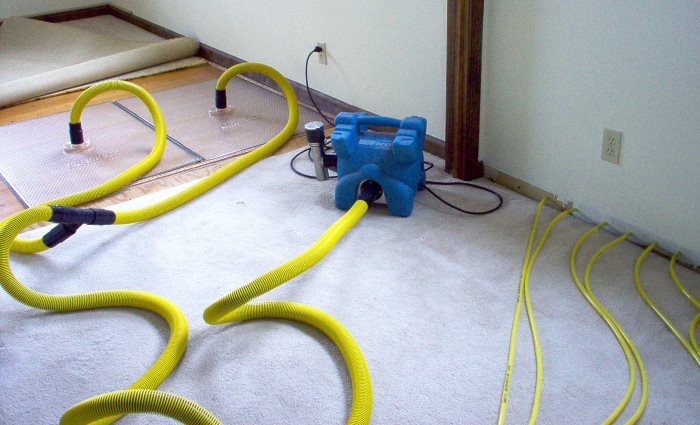
Professional water damage restoration involves:
- Water extraction using high-powered equipment to remove standing water.
- Dehumidification to eliminate hidden moisture in walls and flooring.
- Sanitization to prevent bacterial growth.
- Structural repairs if drywall, flooring, or foundations have been compromised.
Without immediate intervention, water damage can lower property value, increase health risks, and cause irreversible structural weakening. For property owners, fast action and expert help are crucial.
Fire and Smoke Damage Restoration
Fires not only burn through physical structures but also leave behind toxic smoke and soot that continue to damage a home even after the flames are out. The cleanup process is far more complex than wiping down surfaces. Smoke particles can embed themselves into fabrics, carpets, and even walls. If inhaled, these particles can lead to respiratory issues and long-term health complications.
A fire restoration process typically includes:
- Emergency board-up and tarping to secure the property.
- Soot removal from walls, ceilings, and furniture.
- Odor elimination through specialized cleaning agents and ozone treatments.
- Repairs and reconstruction of damaged areas.
Handling fire damage without professional expertise can spread soot further or lock in odors permanently. This is why restoration teams use advanced tools and safe methods to restore indoor air quality and living conditions.
Mold Remediation and Prevention
Mold growth is one of the most common problems after water damage, but it can also arise from high humidity levels or poor ventilation. Beyond the musty smell, mold poses serious health risks, especially for individuals with asthma, allergies, or weakened immune systems.
Effective mold remediation involves more than just cleaning visible patches. Restoration professionals will:
- Inspect the property with specialized equipment to detect hidden mold.
- Contain affected areas to prevent spores from spreading.
- Remove contaminated materials when necessary.
- Apply antimicrobial treatments to discourage future growth.
Preventive steps such as maintaining proper ventilation and using dehumidifiers are also part of a long-term strategy to keep mold from returning.
Storm and Disaster Recovery Services
For many property owners, storm damage is unpredictable and devastating. Heavy winds can tear off roofs, flooding can destroy basements, and debris can damage windows. Professional storm recovery services are designed to restore safety and stability as quickly as possible.
Key steps often include:
- Debris removal and cleanup to clear hazardous materials.
- Roof repairs and tarping to protect the interior.
- Water damage restoration if flooding occurred.
- Comprehensive inspections to identify hidden damages before they escalate.
Disaster recovery teams often provide round-the-clock emergency services because waiting even a few hours can worsen the damage significantly.
The Role of Technology in Modern Restoration
Restoration services have evolved greatly thanks to new technologies. Advanced moisture meters, thermal imaging cameras, and industrial-grade air scrubbers allow professionals to detect and treat problems more effectively than ever before. These tools ensure that no hidden damage goes unnoticed, reducing the chances of recurring problems.
For example, thermal imaging can reveal dampness behind walls that would otherwise go undetected, while air scrubbers can filter out lingering smoke particles that traditional cleaning cannot remove. These innovations give property owners peace of mind, knowing their homes are not only visually restored but also safe at a deeper level.
Choosing the Right Restoration Partner
Not all restoration services are created equal, which is why selecting the right partner matters. Homeowners should look for companies with:
- 24/7 emergency availability since disasters rarely happen during business hours.
- Certified and trained technicians who follow industry standards.
- Comprehensive services that cover everything from cleanup to reconstruction.
- Proven experience in handling different types of property damage.
Checking reviews, certifications, and response times can help ensure that the chosen provider is reliable and capable of managing complex restoration tasks.
Real-Life Scenarios Where Restoration Makes a Difference
- A family returns from vacation to find their home flooded due to a burst pipe. Quick water extraction and dehumidification prevent mold from spreading.
- A lightning strike causes a house fire. Professional restoration not only rebuilds the damaged structure but also removes toxic smoke residue.
- A hurricane leaves severe roof damage. Emergency tarping prevents further water intrusion until permanent repairs are completed.
These examples highlight why property restoration services are essential for protecting both safety and investment.
FAQs About Property Restoration
Q. How quickly should I contact a restoration service after damage occurs?
A. Immediately. The longer you wait, the more severe the damage becomes. Water can lead to mold growth in just 24 hours, while soot from a fire can permanently stain surfaces if not treated quickly.
Q. Will my insurance cover the cost of restoration?
A. Most property insurance policies cover restoration after water, fire, or storm damage, but coverage details vary. It is important to document all damage and contact your provider as soon as possible.
Q. Can I handle restoration on my own with basic cleaning tools?
A. Small cleanups may be possible, but large-scale restoration requires specialized equipment and knowledge. DIY methods often fail to address hidden issues, leading to recurring damage and higher long-term costs.
Q. How long does the restoration process usually take?
A. The timeline depends on the severity of the damage. Minor water leaks may take a few days to resolve, while major fire or storm restoration could take weeks. A professional team will provide a clear estimate after an initial inspection.
Q. How can I reduce the risk of future property damage?
A. Regular maintenance is key. Inspect roofs, plumbing, and drainage systems routinely. Invest in smoke detectors, sump pumps, and dehumidifiers to prevent common risks. Having an emergency response plan also ensures quicker recovery if disaster strikes.

Comments are closed.